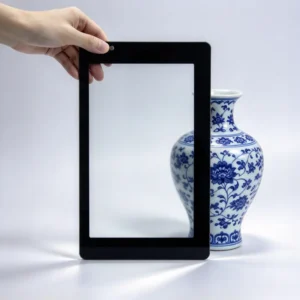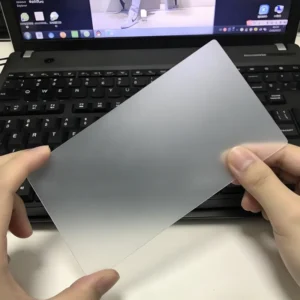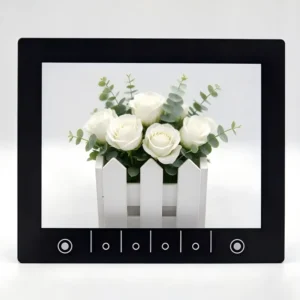
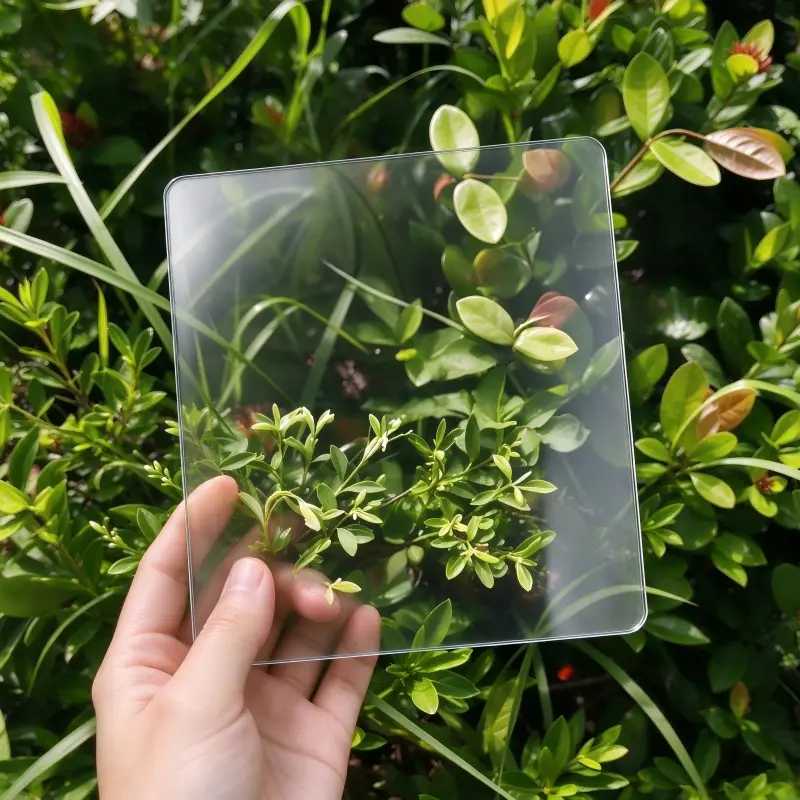
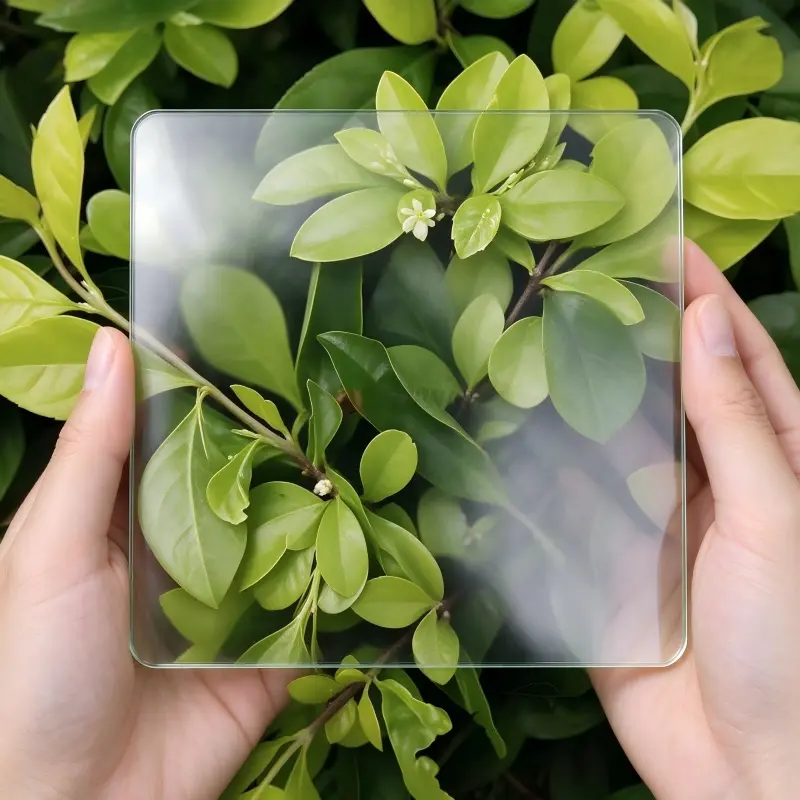

Designed for Outdoor Display Equipment
Custom anti glare glass can be considered for applications such as:
- Outdoor digital signage
- Public information displays
- Self-service outdoor kiosks
- Electronic wayfinding screens
- Commercial display terminals
- Outdoor industrial control interfaces
The final specification should reflect the intended installation. A display under a canopy may have different optical requirements from one exposed to direct sunlight throughout the day.

Choosing the Right Surface
A matte surface alone does not guarantee good outdoor readability. The complete result also depends on display brightness, cover glass transmission, screen contrast and the direction of incoming light.
When reviewing AG glass, consider three factors.
Reflection diffusion: The surface should reduce distracting mirror-like reflections under representative lighting conditions.
Display clarity: Text, graphics and interface elements should remain sufficiently clear at the intended viewing distance.
Environmental suitability: Glass material, strengthening, edge design and mounting arrangements should be selected according to the equipment’s mechanical and environmental requirements.
For outdoor equipment, AG treatment should not be confused with UV protection, waterproofing or resistance to temperature changes. These requirements need separate evaluation.
Custom Dimensions and Manufacturing Options
Outdoor display assemblies often require glass panels designed around a particular enclosure.
Depending on the drawing and selected material, the project may involve custom thickness, shaped outlines, mounting holes, cutouts, finished edges and printed borders.
AG surface treatment should also be specified by the required face and intended optical result. Where the assembly includes bonding, the optical appearance should be checked in the finished configuration.
Sample Evaluation Before Production
A practical sample test should use the intended display module under both ordinary and challenging lighting conditions.
Compare the visibility of small text, high-contrast graphics and darker screen areas. Review the glass from the viewing angles expected during normal operation.
If the glass will be cleaned frequently, include the intended cleaning method in the evaluation. Any required chemical resistance or surface durability should be confirmed through appropriate testing rather than assumed from the AG finish.
Request Anti Glare Glass for Your Display Project
To start a quotation, provide the glass drawing, thickness, target dimensions, AG requirements, mounting details and estimated quantity.
If the optical specification has not yet been finalized, share the display model and installation conditions so the surface finish can be discussed before sample approval.
Contact Us for Custom Anti Glare Glass
Our team can review the supplied requirements and confirm which manufacturing options are suitable for the project.
Frequently Asked Questions About Anti Glare Glass for Outdoor Displays
1. What is anti glare glass for outdoor displays?
Anti glare glass has a surface designed to diffuse reflected light, helping reduce distracting mirror-like reflections. It can be considered for outdoor digital signage, information screens and self-service display equipment.
2. Can anti glare glass make a screen readable in direct sunlight?
Anti glare glass can help manage reflections, but it cannot guarantee readability in direct sunlight by itself. Display brightness, contrast, installation angle, glass transmission and surrounding light all affect the final result.
3. Is anti glare glass the same as anti-reflective glass?
No. Anti glare (AG) glass primarily diffuses reflected light through its surface characteristics. Anti-reflective (AR) treatments are designed to reduce surface reflection. The appropriate choice depends on the display’s optical requirements and installation environment.
4. Can anti glare glass be used for outdoor digital signage?
It can be considered for outdoor digital signage when the selected glass and surface treatment meet the equipment’s optical and mechanical requirements. The complete assembly should be evaluated under representative lighting conditions before production approval.
5. Is anti glare glass waterproof or weatherproof?
Anti-glare treatment alone does not make glass waterproof or weatherproof. Outdoor suitability depends on the glass material, edge design, enclosure, sealing system and other environmental requirements of the finished equipment.
6. Can outdoor anti glare glass include black borders or logos?
Printed borders, logos and other graphic areas can be specified in the product drawing, subject to the available printing process and project requirements. The printed design should be reviewed alongside the AG surface and assembly structure.
7. How do I choose the right AG finish for an outdoor screen?
Consider the expected sunlight exposure, viewing distance, display brightness, required image detail and viewing angles. Comparing samples on the intended display under both ordinary and challenging lighting conditions can help identify a suitable finish.
8. What should I include when requesting a quotation for outdoor AG glass?
Provide the drawing, glass dimensions, thickness, required AG surface, mounting features, printing details, estimated quantity and installation environment. Include any requirements for temperature variation, moisture exposure, impact resistance or cleaning chemicals so that their feasibility can be reviewed separately.