
3A Coatings On Glass Surface
The glass surface treatments offer a flexible route to tailoring cover glass panels for particular use.
3A Coatings On Glass Surface: AR / AG / AF
If your goal is to cut down glare, boost light transmittance or keep smudges at bay, choosing the appropriate coating plays a critical role. We deliver tailor-made coating options for glass panels, creating added value and lifting performance with dedicated AG, AR and AF processes. These treatments enhance scratch resistance, visual sharpness and overall user satisfaction across many different needs.
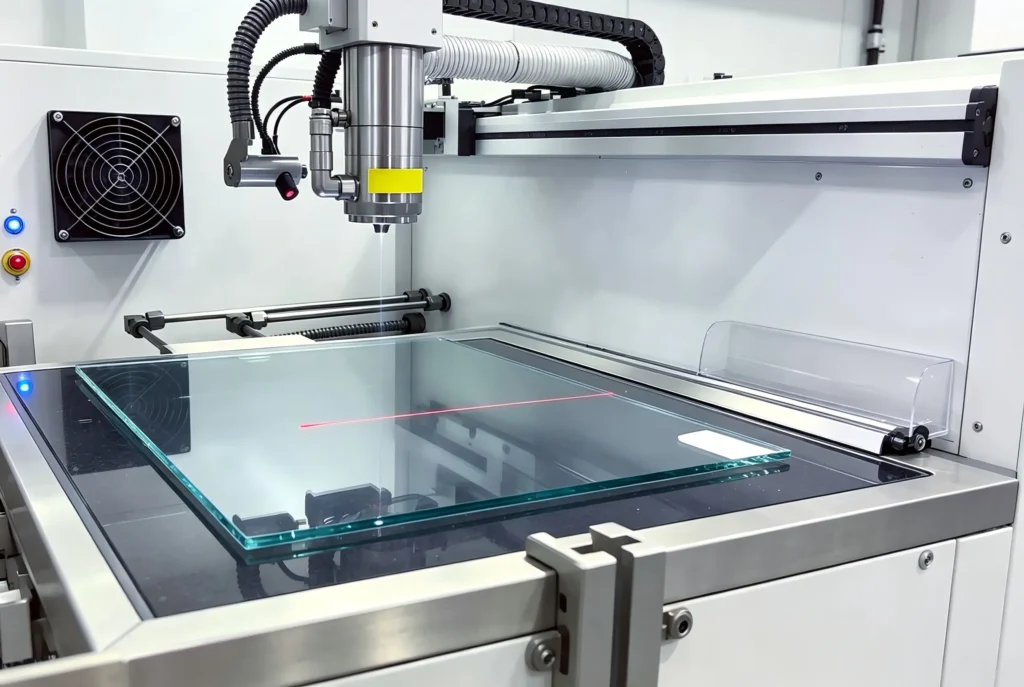
The Glass Surface Coating Capabilities
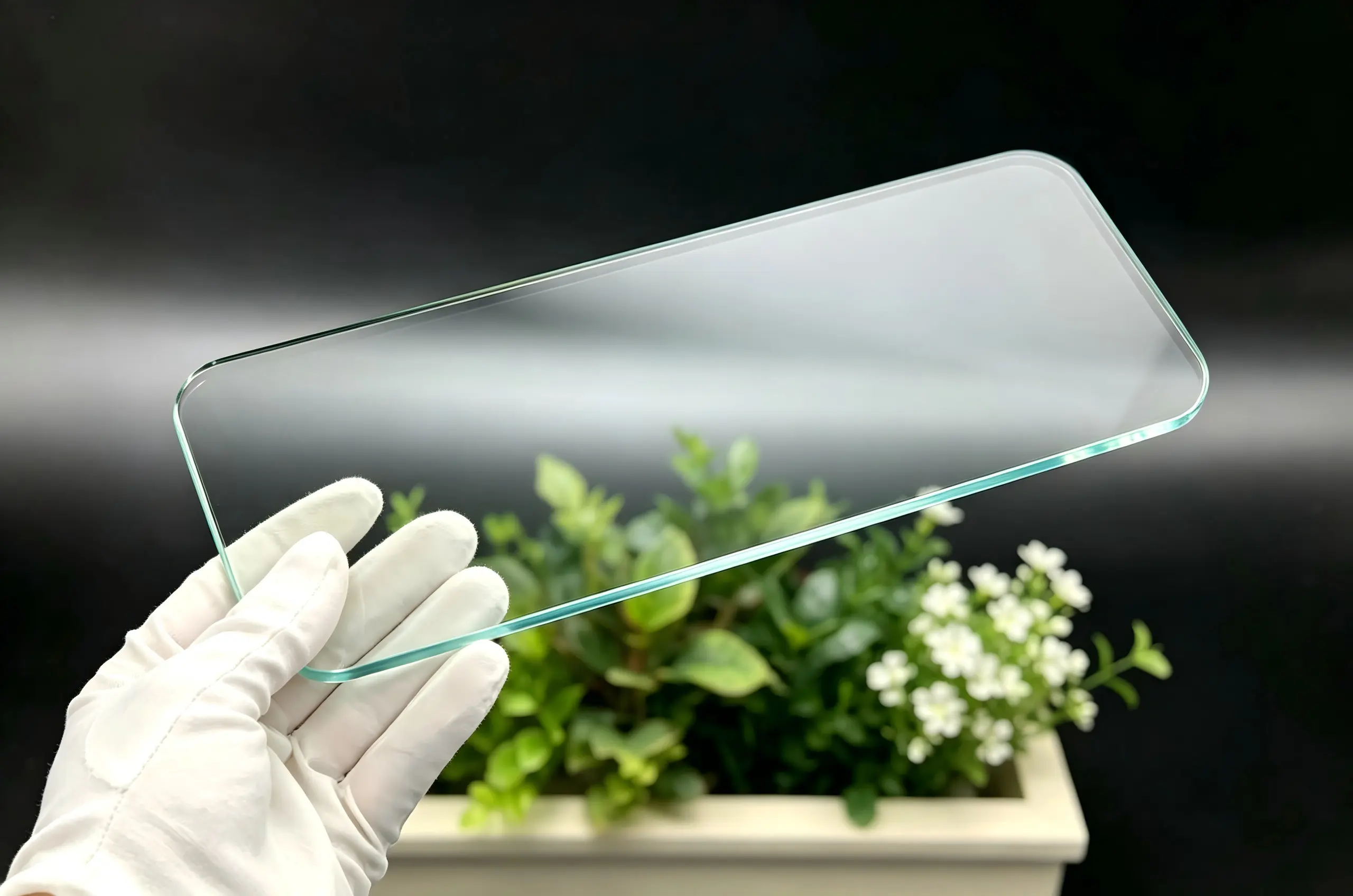
Anti-Glare (AG) Glass
Cuts down glare and reflections to deliver better visibility. We provide both silk screen printing, chemical etching and spray coating options to meet your exact haze and gloss specifications.
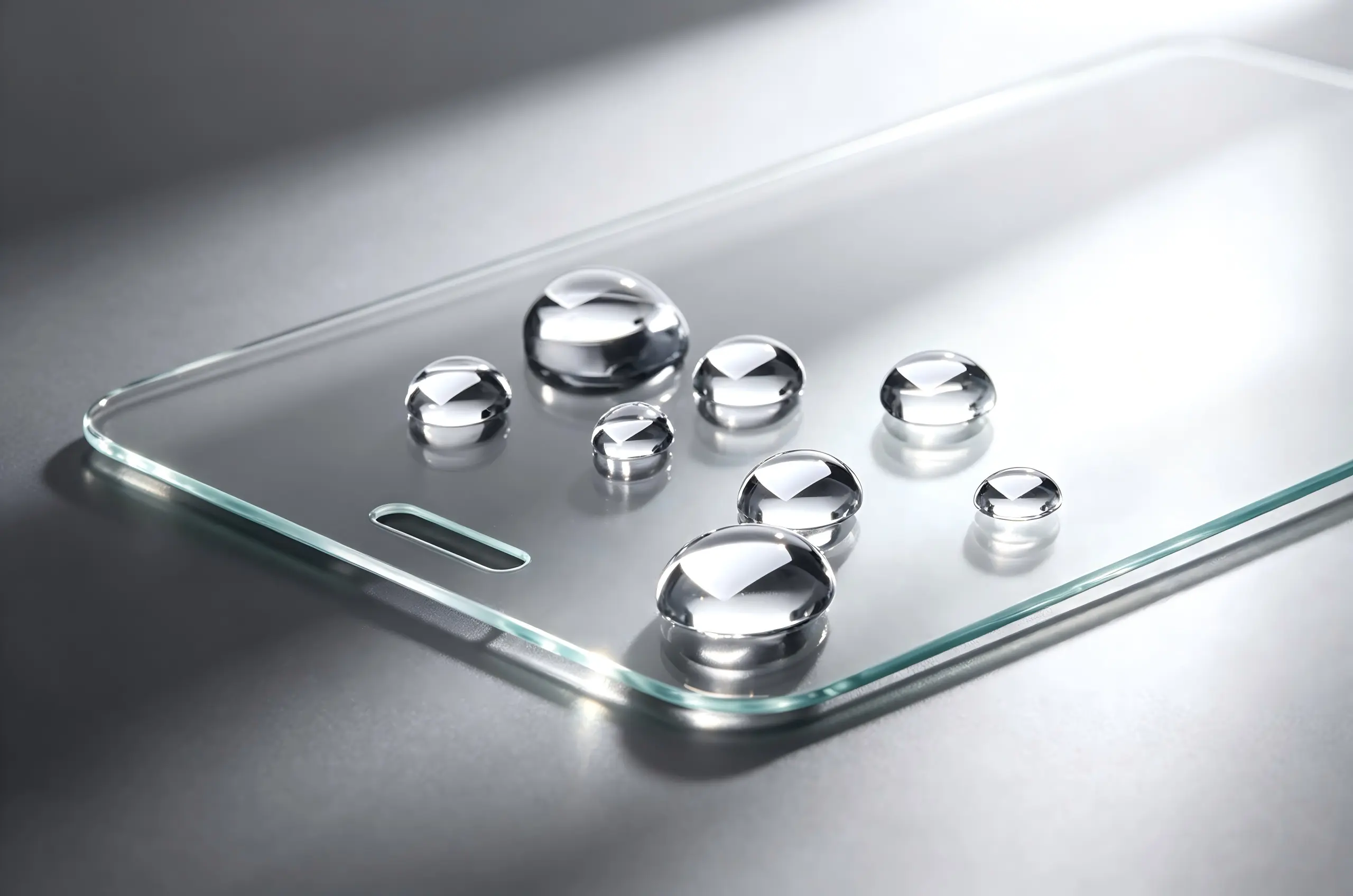
Anti-Fingerprint (AF) Coating
Repels fingerprints and smudges. It delivers surfaces that are easy to wipe clean while maintaining a polished look. We apply advanced oleophobic coatings to guarantee durable performance and a smooth and pleasant touch.
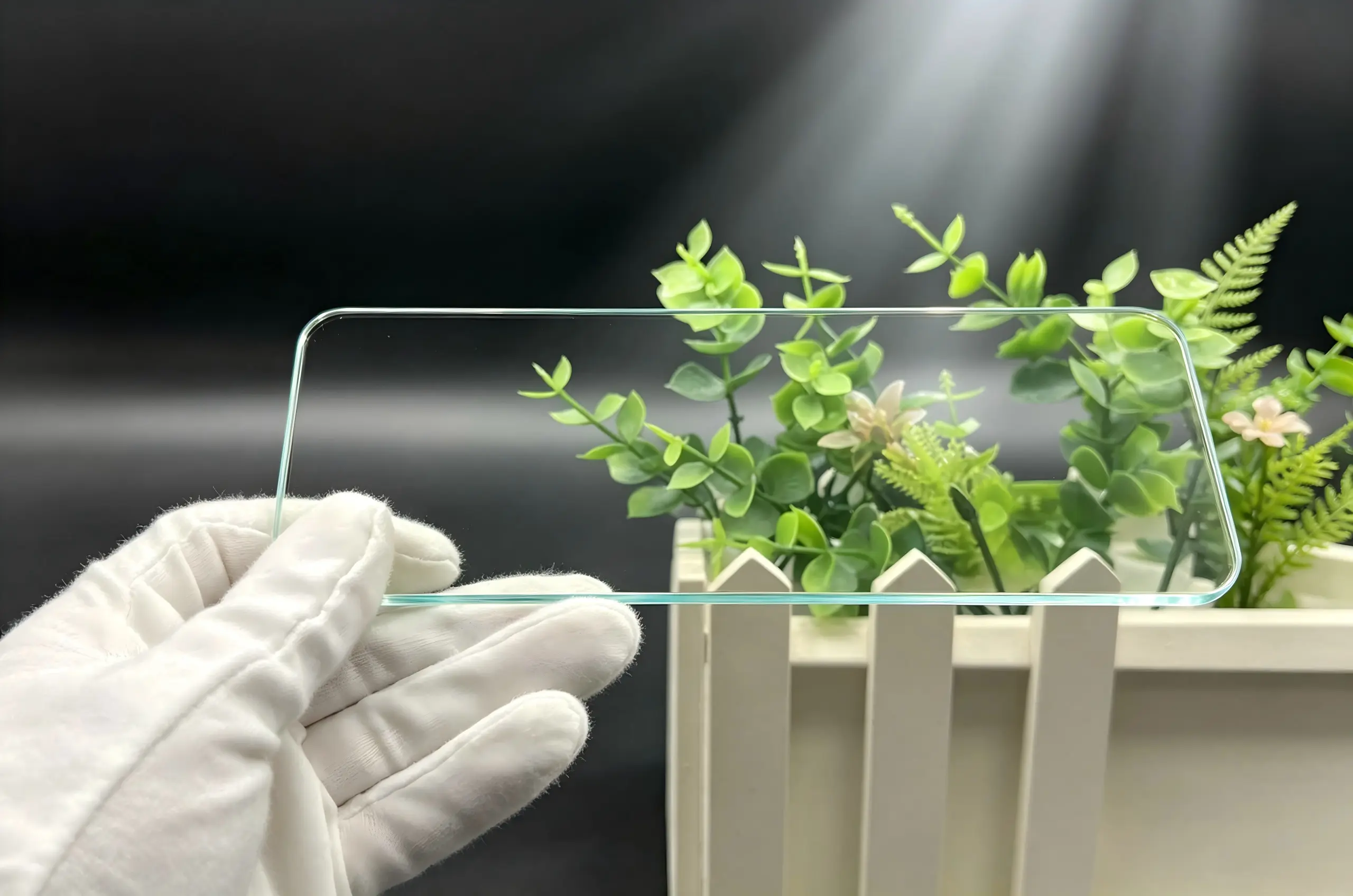
Anti-Reflective (AR) Coating
Delivers maximum light transmission (up to 99%) while sharpening clarity through the reduction of surface reflections. Our multi layer AR coatings produce brighter, more vivid displays and optical components.
The Definitions of AR, AG, AF Coatings
Here offers a straightforward and succinct summary of AG, AR and AF coatings to help you see how these technologies can achieve the performance, durability and appearance of your cover glass projects.
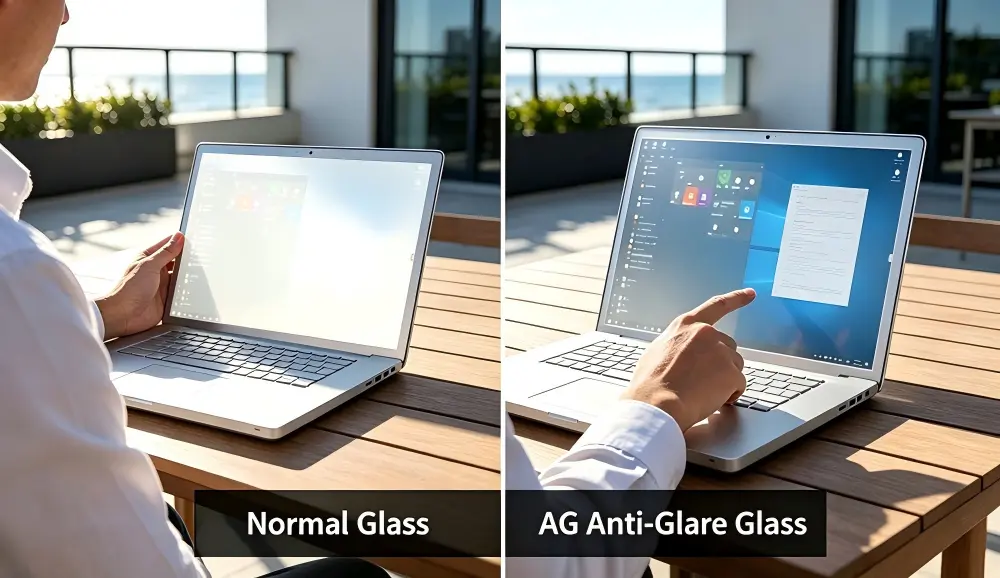
AG Glass (Anti-Glare/Non-Glare Glass)
Anti-Glare (AG) coating is the surface treatment applied to glass which minimizes reflections and glare caused by external light sources. It works by producing a microscopically textured surface that diffuses incoming light, stopping it from bouncing directly back into the viewer’s eyes.
- Benefits: Better visibility in brightly lit settings, less eye strain, stronger contrast, paper-like tactile feel.
Key Specifications: Gloss, haze, roughness, transmittance, clarity, etc.
Methods: Chemical etching, spray coating, micro-replication.
- Industrial Monitors
- Control Panels & HMIs
- Healthcare Equipment
- New Energy Vehicles
- Glass Mousepads
- Automotive Displays
- Outdoor Signage & Kiosks
- Banking & Retail Terminals (POS, ATMs, etc.)
- Public Information Screens
- Instrument Panels
- Interactive Whiteboards for Education
- Aviation Cockpit Displays
- Outdoor Installations
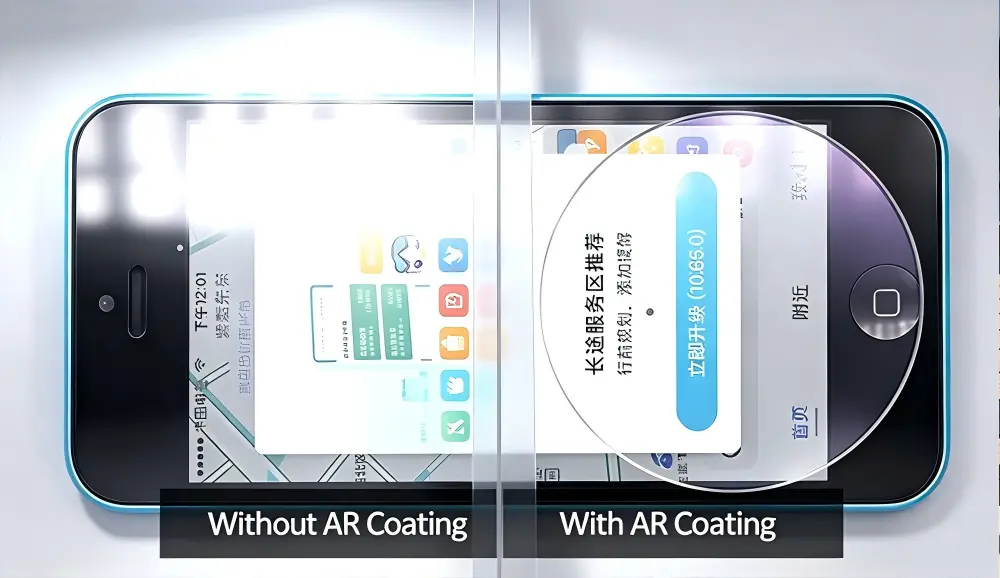
AR Glass (Anti-Reflective Coating)
Anti-Reflection (AR) coating is a multi-layered thin-film treatment engineered to reduce the amount of light that reflects off a glass surface. This allows more light to pass through the glass, producing a clearer, brighter, and more vivid image.
- Benefits: Sharper clarity & visibility, higher light transmission, better image contrast & detail, more attractive appearance, reduced eye strain & fatigue;
AR Coating Types: Single-layer coating, multi-layer coating, broadband coating, narrowband coating;
AR Coating Colors: Purple, Blue, Green
- Camera Lenses
- Commercial Displays (POS, ATMs, etc.)
- All-in-One (AIO) Computers
- Medical Devices
- Smart Home
- Outdoor Digital Signage
- Instrumentation (Optical Instruments)
- Lighting
- New Energy Vehicles
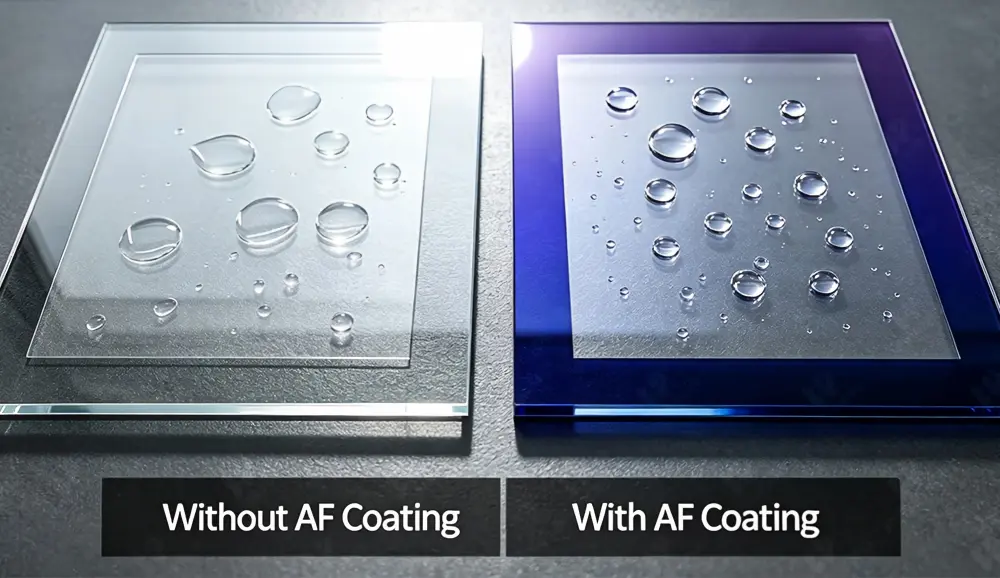
AF Glass (Anti-Fingerprint/Oleophobic Coating)
Anti-Fingerprint (AF) coating, commonly referred to as oleophobic coating, is a thin, transparent layer applied to glass surfaces to repel oils and minimize the appearance of fingerprints and smudges. This keeps the surface simple to clean and maintain, preserving a spotless and professional look.
- Benefits: Fewer fingerprints and smudges, hassle-free cleaning, improved aesthetics & user experience, better hygiene, smooth, premium feel;
Key Specifications: Water contact angle (100° – 120° or higher), oil contact angle (60° – 80° or higher), pencil hardness (3H-9H), oleophobic rating, etc.
- Smartphone
- Tablet & Laptop Touchscreens
- In-Vehicle Touch Displays
- Retail & Banking Terminals (POS, ATMs, etc.)
- Smart Home Control Panels
- Healthcare Equipment
- Self-Service Interactive Kiosks
- Smart Wearables
- Appliance Control Panels
- Glass Mousepads & Touch Pads
AG, AR, & AF Coatings Resource
The Zilang Industry Glass Surface Treatment Knowledge Hub
AG Glass
- 5 Key Parameters of Anti-Glare Glass: A Buyer’s Guide
- Anti-Glare/AG Glass Cover Panel Technical Guide
- What Are the Different Types of AG (Anti-glare ) Glass?
- Why Choose AG Glass for Display Screens or Touch Screens?
- AG Glass Vs. Gorilla Glass? Which is BEST for Display Glass Panel?
AR Glass
- What is Anti-Reflective Coating on Cover Glass?
- AR Glass Vs. AG Glass: Differences & Applications & Selection
- Double-Sided Anti-Reflective (AR) Coated Tempered Glass
- Custom AR Glass with Green Reflection
- AR Coated Camera Glass Lens for Security Camera
AF Glass
- Identifying AG, AR & AF Glass: A Quick Guide
- Switch Panel Glass for Smart Home Control Light Switch
- Anti-fingerprint Tempered Glass for Smart Home Devices
- Custom Anti-fingerprint Touch Switch Glass Panel
Other
- Cover Glass Quality Inspection and Testing: Guide (2025)
- What is 9H Tempered Glass? Is It Must-have for Display?
- IK10 Glass – Highest Impact Resistant Glass
- Custom Display Cover Glass Comprehensive Guide
FAQ
Q:Can AG, AR, and AF coatings be applied together on one glass panel?
A:Yes, all three treatments (AG, AR, and AF) on a single glass panel is achievable. It commonly called “3A” is a typical setup for automotive display cover glass, delivering improved visibility, clarity and a smudge-resistant surface.
Q:Why is an Anti-Fingerprint (AF) coating so often combined with an Anti-Reflective (AR) coating?
A:AR coatings tend to be delicate and are usually placed on the outermost layer of the glass, leaving them prone to scratches and smudges. The AF coating serves as a protective barrier, maintaining the AR coating’s performance while keeping the surface easy to wipe clean. Notably, the AF coating does not interfere with the AR coating’s light transmission properties. As a result, AR and AF coatings are often paired together to deliver both peak performance and lasting durability.
Q:Is the Anti-Glare (AG) glass etching step carried out before or after tempering?
A:AG etching happens prior to tempering. The usual process sequence is: Raw glass sheet → AG Etching → Cutting → Edge Grinding → Cleaning → Chemical or Physical Tempering.
Q:What sets AG (Anti-Glare) glass apart from AR (Anti-Reflective) glass and which works better outdoors?
A:AG glass, also called non-glare glass, scatters light to cut down on reflections.
AR glass, or anti-reflection glass, reduces surface reflections so more light passes through.
For outdoor uses such as public information displays, industrial controls, electronic gaming and multimedia kiosks. AG glass is typically the better choice. AR glass is more often found in applications like camera lenses.
Q:Can Anti-Glare (AG) glass be physically tempered, and what standards apply?
A:Yes, AG glass that is 2.0mm thick or greater is eligible for physical tempering. The physical tempering process relies on two primary tests: The drop ball test and impact test. Because of its slim profile, 2.0mm AG glass can only be partially tempered, showing a fragmentation count of more than 30 pieces within a 50x50mm area after the impact test. AG glass at 3.0mm or thicker is suitable for full tempering, achieving a fragmentation count of more than 80 pieces within a 50x50mm area after the impact test.
Q:What performance specs do your Anti-Fingerprint (AF) coatings offer?
A:Our AF coatings deliver a water contact angle above 105°. In a durability test using a 500g load and 0000# steel wool, our AF coating demonstrates less than 15% degradation after 2000 cycles.
Q:Beyond AG, AR, and AF coatings, what other surface treatments are available?
A:Along with Anti-Glare (AG), Anti-Reflective (AR) and Anti-Fingerprint (AF) coatings, we offer a variety of specialized surface treatments designed to boost both the performance and appearance of your cover glass. These include DLC (Diamond-Like Carbon) hard coatings and ITO (Indium Tin Oxide) conductive coatings.
Request A Free Quote
We respect your confidentiality and all informations are protected
Contact Us
Send us a message if you have any questions, request a quote or free samples.Our experts will give you a reply within 24 hours and help you select the right cover/panel material as your request.
Phone
kimi@zlcoverglass.com
Address
ZILANG,DONGGUAN,GUANGDONG 523000,CHINA