
Designed Around the Audio Interface
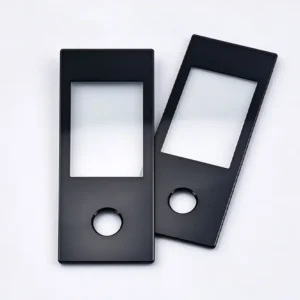
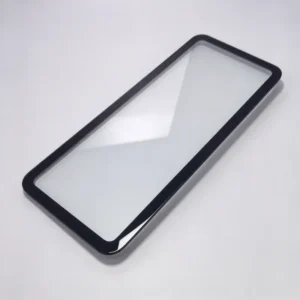
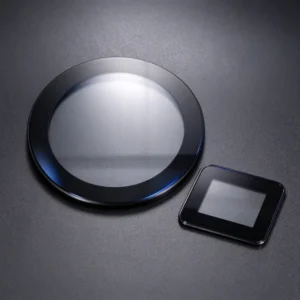
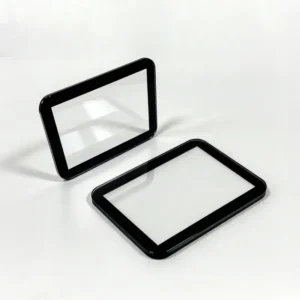
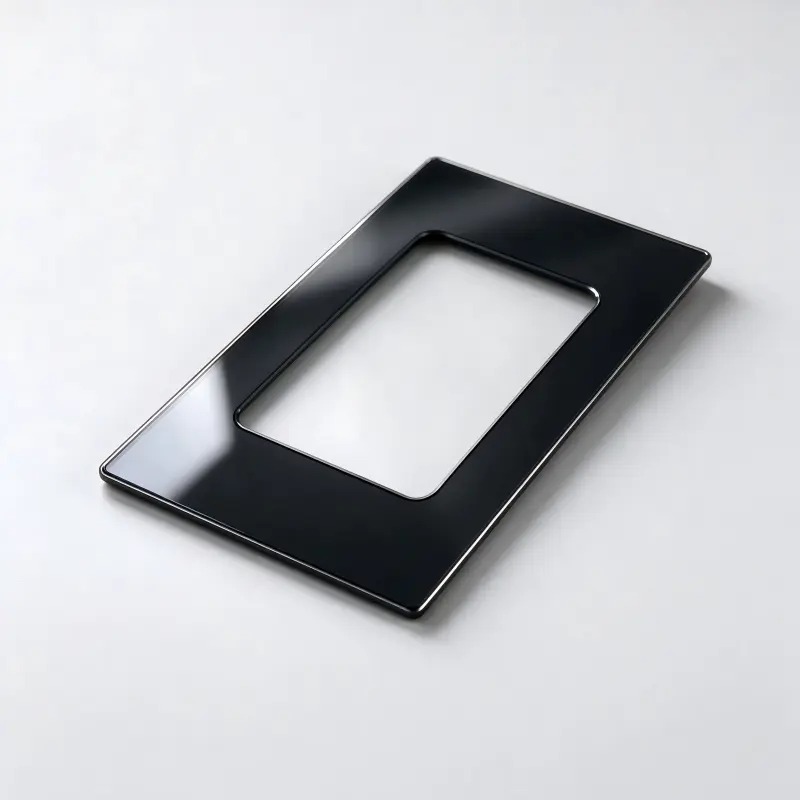
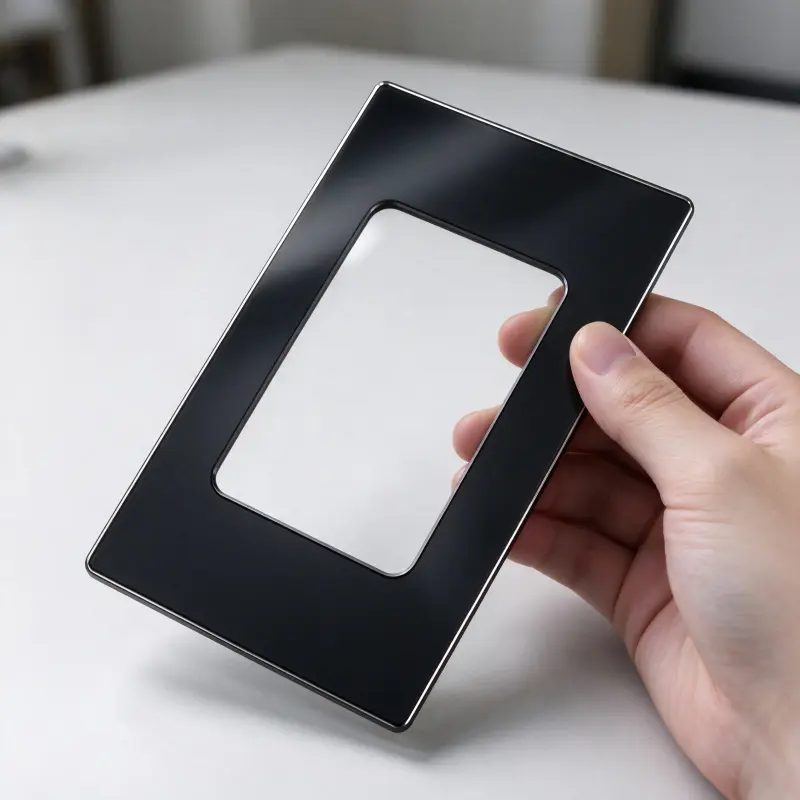
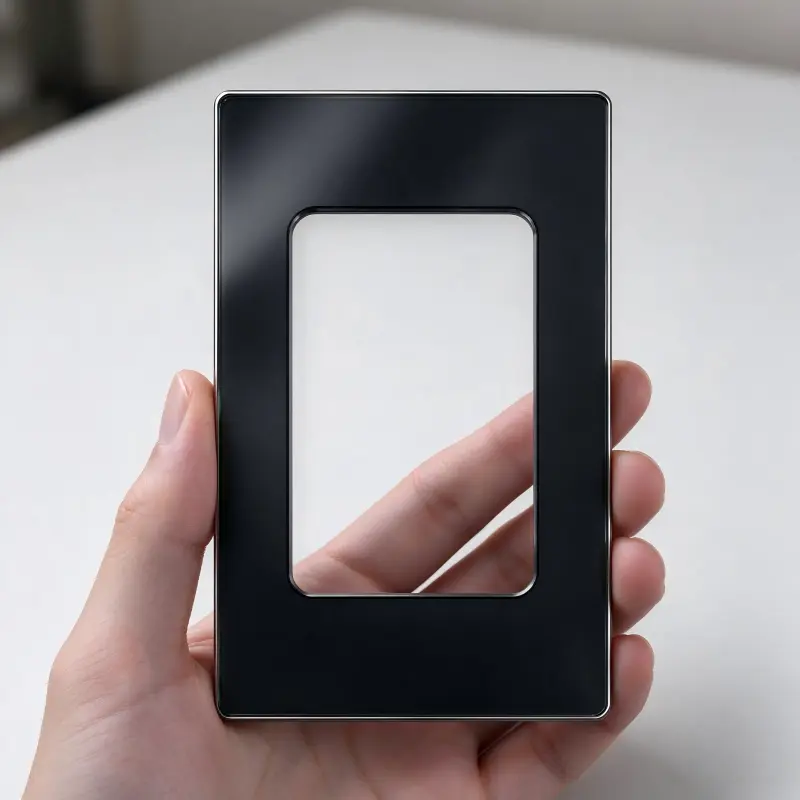
A speaker glass panel is not simply a piece of clear glass. Its design needs to match the controls and visual layout of the finished product.
Depending on the application, the panel may include:
- Custom outlines: round, rectangular, rounded-corner or other drawing-based profiles.
- Printed graphics: black borders, control symbols, logos and decorative patterns.
- Indicator windows: transparent or printed areas positioned to suit LEDs or other visual indicators.
- Openings and cutouts: where required by the mechanical design and manufacturing process.
- Surface finish: clear, matte or other specified finishes, subject to the selected material and process.
- Edge finishing: polished edges or other feasible profiles to suit the enclosure.
The required features should be identified in the drawing. In particular, the locations of touch zones, indicator lights, openings and printed areas should be coordinated before the glass enters production.
Glass for Touch-Controlled Speakers
Some speakers use glass as the front surface of a capacitive touch interface. In these designs, the cover glass works as part of a complete electronic assembly rather than as an independent decorative component.
Glass thickness, coatings, printing, adhesive and the touch sensor layout can affect the assembled interface. A black printed region, for example, must be positioned carefully if a sensor or indicator needs to operate behind it.
For this reason, touch performance should be evaluated using the intended sensor and assembly structure. ZL can review the proposed glass design and the customer’s requirements, but final touch performance depends on the complete module and must be validated in the assembled product.
For speakers with physical buttons or separate controls, the design priorities may be different. The panel may focus more on appearance, protection, cleanability and precise alignment with the enclosure.
Printing and Surface Finish
The visual design of a speaker panel often needs to match the product’s overall finish. Black borders, printed icons and custom graphic layouts can help integrate the glass with the housing.
Surface treatment should be chosen according to the use environment and the intended appearance. A matte surface may reduce visible reflections, while an anti-fingerprint (AF) treatment may help reduce visible smudges. An anti-reflective (AR) treatment may be considered when reflections need to be controlled.
These options are not interchangeable. The correct choice depends on the panel’s lighting conditions, touch requirements, printed graphics and appearance targets. Compatibility should be confirmed for the selected glass and manufacturing process.
Custom Manufacturing and Drawing Review
For OEM audio equipment projects, a drawing review helps identify potential issues before sample production. The review should cover the panel outline, thickness, edge profile, print position and the relationship between the glass and the housing.
To request a quotation, please provide the available project information:
- Panel dimensions and glass thickness
- 2D drawing or CAD file
- Glass material preference
- Edge finishing requirements
- Printed graphics, logo and color specifications
- Touch areas, indicator windows and required openings
- Surface finish requirements
- Prototype quantity and estimated order volume
- Packaging and delivery requirements
If the design is still being developed, an outline drawing and product reference image can be a useful starting point. Final dimensions and manufacturing details should be confirmed before production.
FAQ
- Can speaker control panel glass include printed icons and a black border?
These features can be reviewed according to the design. Please provide the graphic artwork or drawing showing the required colors, symbols and printed areas.
- Can the glass be used with capacitive touch controls?
Potentially, yes. The glass must be compatible with the touch sensor, adhesive and complete assembly. Touch sensitivity should be tested on the assembled module.
- Can you manufacture openings in the glass panel?
Openings and cutouts can be assessed from the drawing. Their size, position, edge requirements and manufacturing feasibility need to be confirmed before production.
- Which surface treatment is best for a speaker panel?
There is no single best treatment for every design. Clear glass, matte finishes, AF and AR treatments serve different purposes. Selection should reflect the lighting, appearance and touch requirements.
- What information is needed for an OEM quotation?
Send the panel drawing, dimensions, thickness, glass material preference, printing artwork, surface finish, quantity and any assembly requirements that are already known.
Request a Speaker Glass Panel Quote
ZL Cover Glass supports custom glass inquiries for smart speakers and audio equipment. Send your drawing, intended application and estimated quantity so the panel geometry, printing requirements and possible surface treatments can be reviewed.
Request a Quote: Contact ZL with your speaker control panel glass requirements for a project-specific quotation.