
Glass Windows for Different Sensor Applications
Photoelectric Sensors
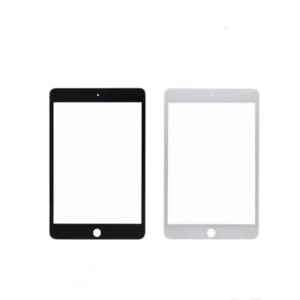
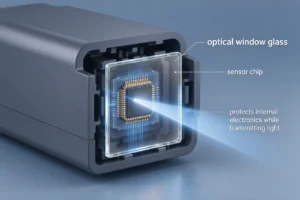
Photoelectric sensors use emitted or received light to detect objects, distances or changes in position. A glass window can protect the optical opening while allowing the sensing beam to pass through. The window size, thickness and surface condition must suit the sensor’s optical design.
Optical Measurement Instruments
Measuring instruments may require a small glass window over a detector, light source or optical assembly. Flatness, surface cleanliness and dimensional consistency can be important when the glass sits close to the optical path.
Infrared Sensor Windows
For infrared sensing, ordinary visible-light glass should not be assumed suitable. The required transmission depends on the operating wavelength and glass composition. Buyers should identify the wavelength range and check whether the proposed material is appropriate before requesting samples.
Industrial Detection Equipment
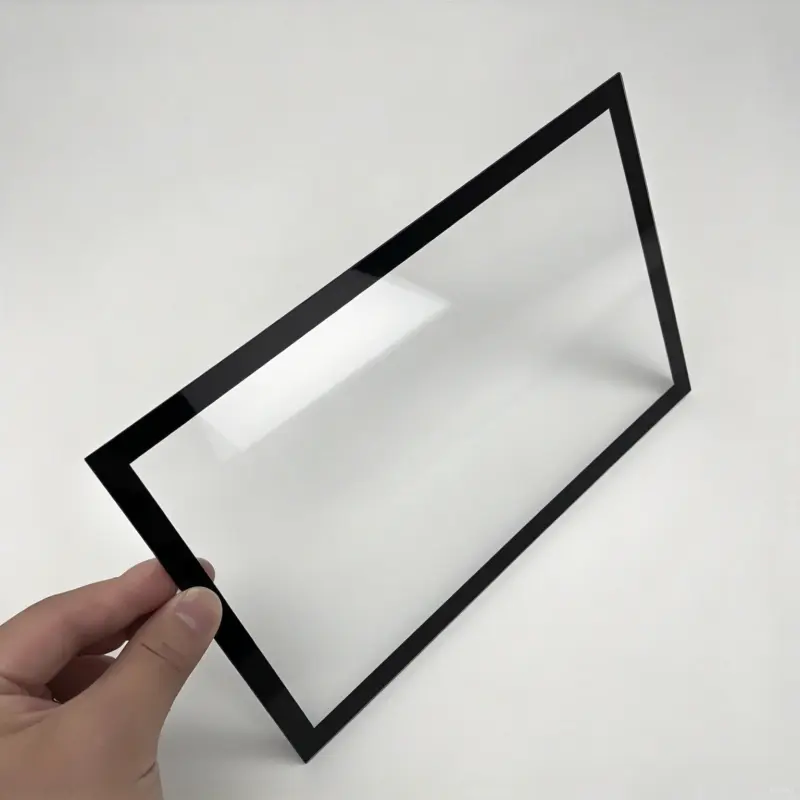
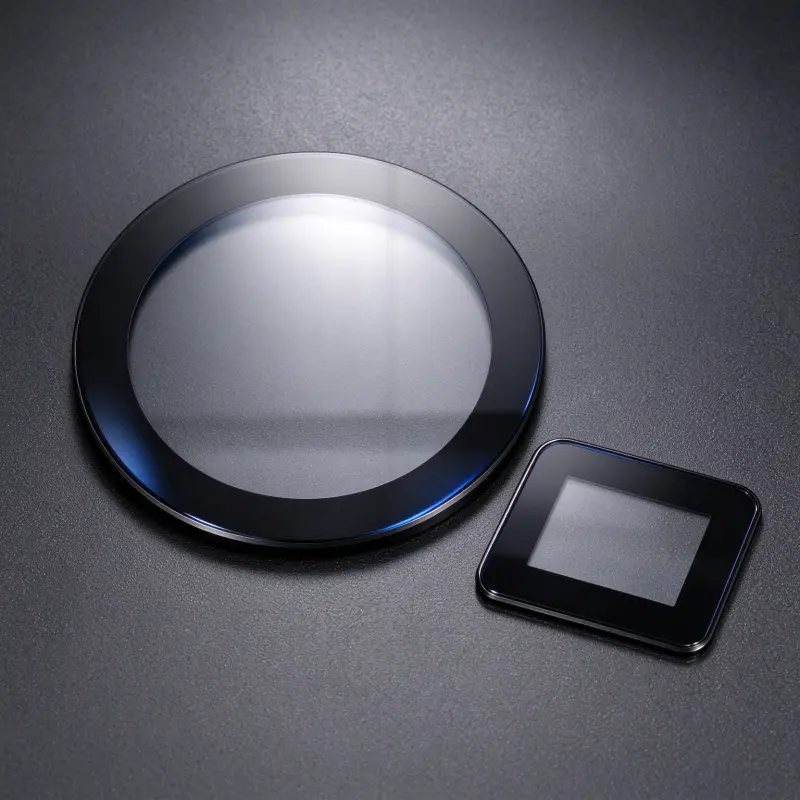
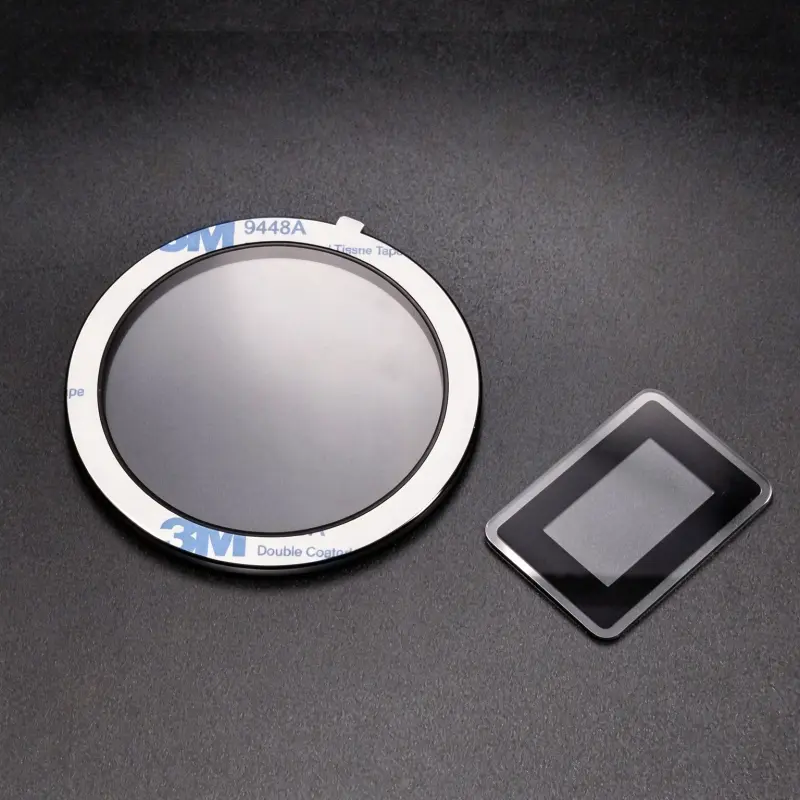
Custom optical windows may be used in equipment that needs a protective barrier over an optical opening. Depending on the design, the glass may require a specified edge finish, a defined aperture size or a mounting arrangement compatible with a housing or gasket.
Custom Optical Sensor Window Glass Specifications
The following details help determine whether a glass window is suitable for a particular sensor assembly.
Glass material: Selected according to wavelength, optical performance, environmental conditions and cost.
Thickness: Determined by the available mounting space, mechanical requirements and optical design.
Dimensions and shape: Round, rectangular or other shapes may be considered according to the drawing and manufacturing feasibility.
Surface quality: Specify allowable scratches, chips, particles and other visible defects according to the application.
Optical transmission: Identify the required wavelength range instead of relying only on a general transparency requirement.
Surface coatings: Anti-reflective coatings may be considered when reflection losses matter, subject to wavelength and coating compatibility.
Edge processing: Edge grinding, polishing or other finishing can be specified where required for assembly and handling.
Not every optical window requires every treatment. A simple protective window for a visible-light detector may have different requirements from a precision optical component used in a measurement instrument.
What to Check Before Ordering Sensor Window Glass
Before requesting a quotation, prepare the following information:
- The sensor type and intended application.
- The operating wavelength or wavelength range.
- The glass drawing, outside dimensions and thickness.
- Any requirements for optical transmission, reflection or surface quality.
- Mounting details, including the housing, gasket or adhesive interface.
- Prototype quantity and estimated repeat-order volume.
If the optical specifications are not yet finalized, provide the sensor model or application details for an initial feasibility discussion. The final material and coating should be confirmed against the equipment’s requirements.
Frequently Asked Questions
Can optical sensor window glass be manufactured to a custom drawing?
Custom dimensions, thicknesses, shapes and edge requirements can be evaluated from an engineering drawing. Feasibility depends on the geometry, material and required tolerances.
Is ordinary clear glass suitable for infrared sensors?
Not necessarily. Infrared transmission varies with glass composition and wavelength. The material must be checked against the sensor’s operating range before approval.
Does an optical sensor window always need an anti-reflective coating?
No. Coating requirements depend on the optical design, wavelength and acceptable reflection loss. Some applications may use uncoated glass.
What information is needed for a quotation?
A drawing, material preference, thickness, dimensions, optical requirements, quantity and intended application provide a useful starting point.
Request a Custom Optical Window Glass Quote
Send your drawing, required dimensions, glass thickness, operating wavelength and estimated quantity for a preliminary review. If coating or optical transmission requirements are critical, include the relevant specification or test method.
Contact us to discuss your optical sensor window glass project.