
Infrared Sensor Window Glass for Optical Devices
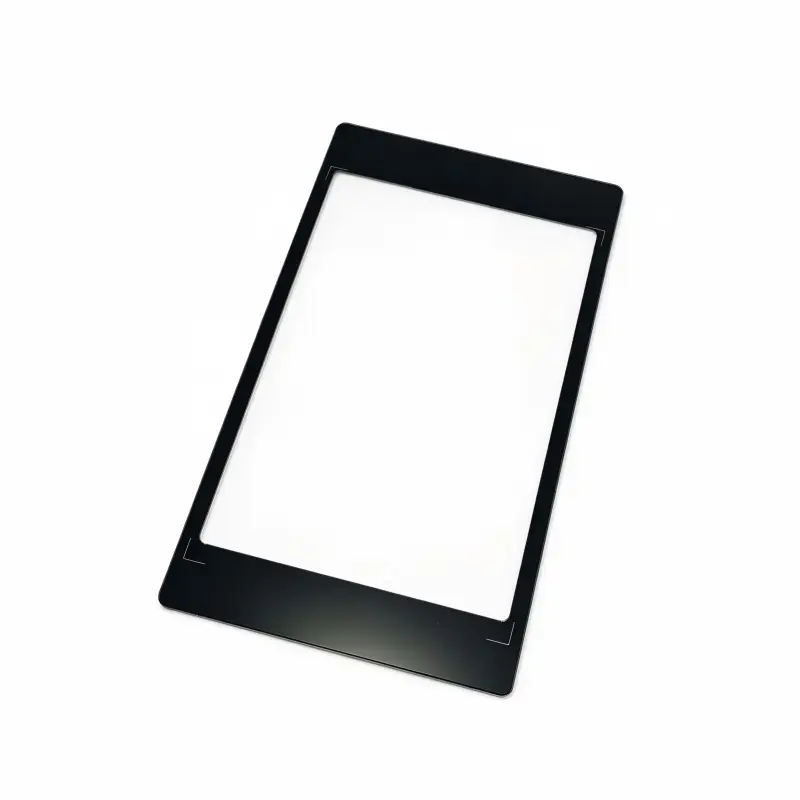
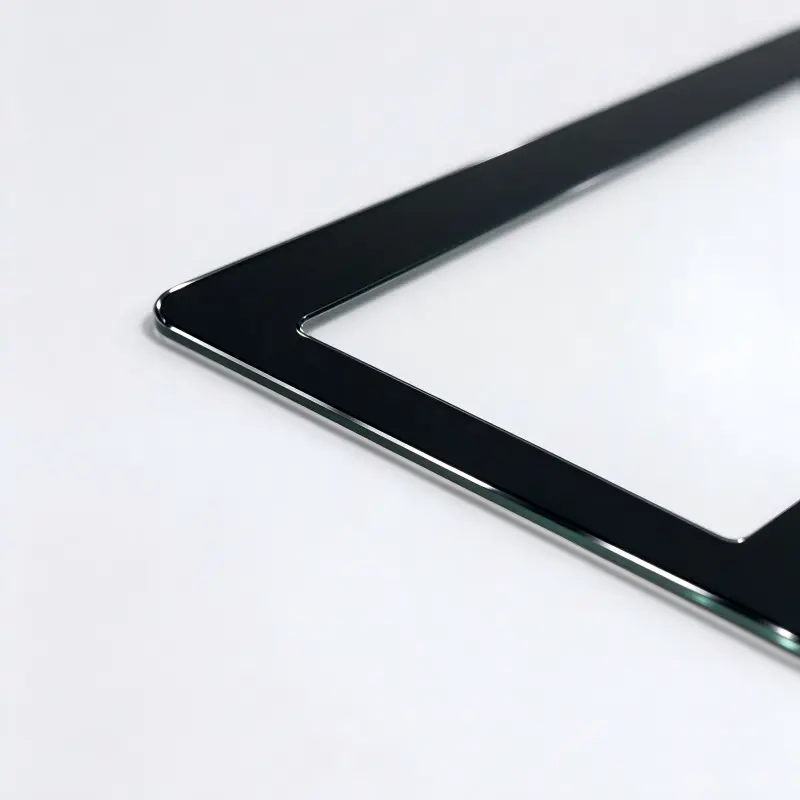
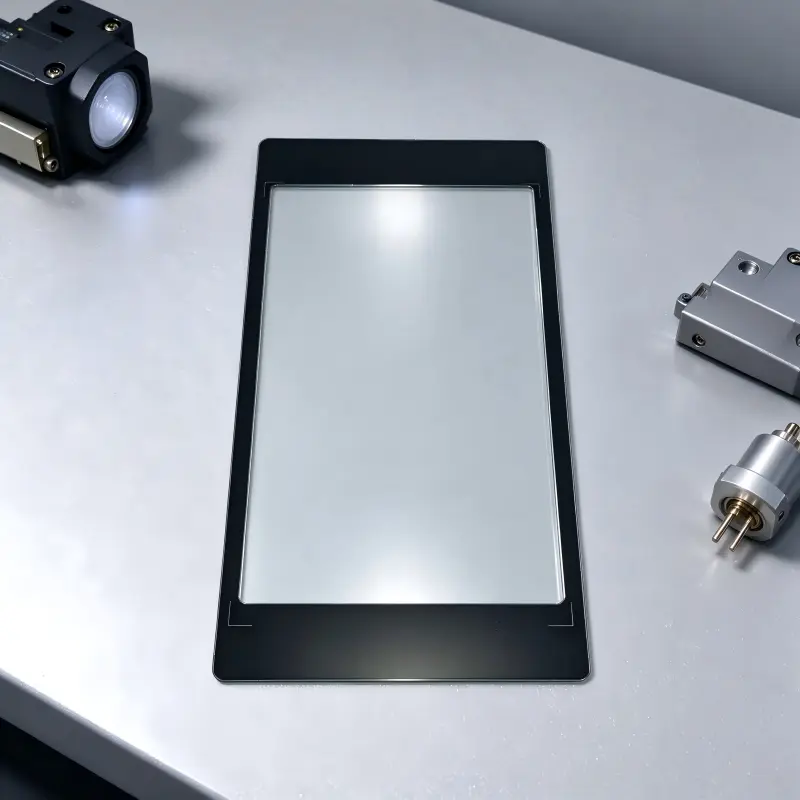
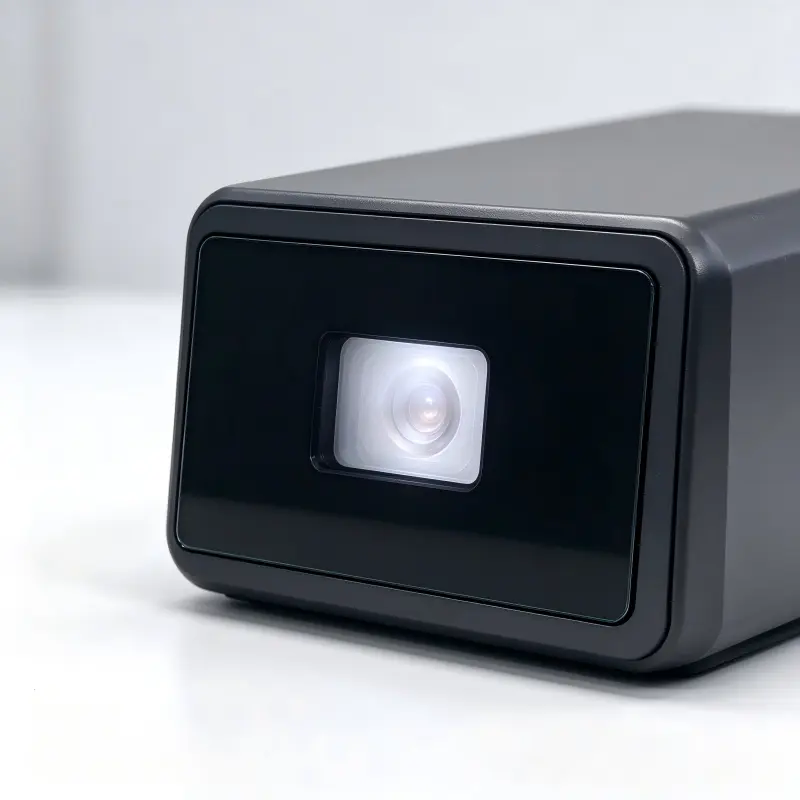
An infrared sensor window is an optical component positioned in front of a detector or sensing element. Its purpose is to provide a physical interface between the optical system and the surrounding environment while allowing the required infrared radiation to pass through.
For OEM engineers and purchasing teams, choosing an infrared window is different from selecting ordinary transparent cover glass. A material that looks clear to the human eye may absorb infrared radiation at the wavelength required by the sensor. The correct specification therefore starts with the operating wavelength and optical transmission requirements, not simply the visible appearance of the material.
Zilang can review custom optical window requirements for electronic equipment and assess whether a proposed component is compatible with the available manufacturing processes and material options. The material and performance specification must be confirmed for each application before production.
Applications of Infrared Sensor Windows
Infrared Detection Equipment
Infrared detectors are used in instruments that measure or respond to radiation outside the visible spectrum. A protective window may be required to separate the sensing element from dust, handling or the surrounding environment.
The suitable material depends on the wavelength band and the detector’s optical design. A window intended for near-infrared operation may require a different material from one designed for longer-wave infrared radiation.
Industrial Optical Sensors
Optical sensing equipment is used in industrial monitoring, measurement and automated inspection. In these systems, the window must fit the instrument housing and meet the relevant optical requirements.
Buyers should specify whether the window is used for simple optical access, a defined transmission band or a more demanding imaging or measurement application. These differences affect the material evaluation and inspection requirements.
Temperature Measurement Instruments
Some non-contact temperature measurement instruments use infrared radiation to estimate the temperature of a target. The window material and surface characteristics can affect the signal reaching the detector.
For these applications, the wavelength band, field of view, instrument calibration requirements and environmental conditions should be reviewed together. A generic glass specification is not sufficient to establish suitability.
Optical Monitoring and Detection Devices
Certain monitoring systems use infrared-sensitive detectors to identify changes in radiation or optical signals. A protective window may need to balance transmission, environmental protection, mechanical fit and cleaning requirements.
The actual specification depends on the detector and the operating environment. If the instrument has a defined spectral response, include it in the RFQ rather than relying on a general description such as infrared compatible.
Seven Critical Specifications for an Infrared Window
Operating Wavelength
This is the first specification to establish. State the operating wavelength or wavelength range, including the relevant near-infrared, short-wave infrared, mid-wave infrared or long-wave infrared band.
These bands do not use interchangeable materials. Confirm the sensor manufacturer’s recommended transmission range before choosing the window material.
Required Spectral Transmission
Provide the required transmission across the actual operating band, not just a visible-light transmission value.
If a minimum transmission is required, identify the wavelength range and measurement conditions. Where relevant, specify whether the requirement applies to the bare substrate or the completed component with coatings.
Optical Material
The material must transmit the intended wavelength range and withstand the application environment.
Depending on the spectral band and design, suitable options may include specialized infrared-transmitting glass or other optical materials such as germanium, silicon or chalcogenide glass. These are not interchangeable, and not every option is suitable for every wavelength, temperature range or manufacturing process.
In particular, ordinary strengthened cover glass should not be assumed to transmit mid-wave or long-wave infrared radiation adequately. Material feasibility must be checked before a quotation can define the finished part.
Dimensions and Thickness
Specify the outside dimensions, thickness, outline, corner radii and dimensional tolerances. For round windows, include the diameter and any mounting features.
Thickness may affect optical transmission, mechanical behavior and the available space inside the instrument. The final dimensions should be reviewed against the housing drawing and optical design.
Surface Quality and Flatness
Optical applications may require specific surface quality, flatness or parallelism. The required grade depends on whether the window is used for sensing, imaging or another optical function.
Define the clear aperture, allowable defects and inspection method where these affect system performance. Avoid requesting precision optical specifications that are unnecessary for the application, as they may increase manufacturing cost.
Coatings and Surface Treatment
Some infrared windows use coatings to control reflection or improve performance within a specified spectral band. A coating must be designed for the target wavelength and compatible with the selected substrate.
Do not assume that a standard visible-light anti-reflective coating will work for infrared wavelengths. The coating design, transmission target and environmental requirements should be reviewed as one specification.
Operating Environment and Mounting
Temperature, humidity, pressure, chemical exposure, cleaning methods and mounting stress can affect material selection and long-term performance.
Provide the installation drawing and identify whether the window is bonded, clamped or mechanically retained. If the assembly requires a seal, specify the sealing arrangement and any relevant environmental requirements.
How to Choose the Right Infrared Window Material
Material selection should begin with the sensor’s spectral response. The next step is to determine the required transmission, mechanical dimensions, environmental conditions and cost target.
For some near-infrared applications, certain glass materials may be suitable. For other wavelength ranges, specialized infrared-transmitting substrates may be necessary. Germanium, silicon and chalcogenide glass each have their own transmission ranges, refractive properties, temperature limitations and manufacturing considerations.
No single material should be described as suitable for all infrared sensors. A supplier needs enough information to evaluate the substrate against the intended wavelength and operating conditions.
Where the sensor manufacturer’s documentation identifies a preferred material, include that information with the drawing. If the material has not been selected, provide the sensor model or spectral requirements so the options can be assessed before ordering.
Custom Infrared Window Manufacturing Requirements
Custom infrared sensor windows may require specific outlines, thicknesses, surface finishes and mounting dimensions. The manufacturing route depends on the selected material, geometry and optical grade.
A practical technical review should establish:
- Finished dimensions and dimensional tolerances
- Substrate material and spectral transmission requirements
- Clear aperture and optical surface requirements
- Flatness, parallelism or surface quality where applicable
- Coating type and target wavelength, if required
- Edge treatment and mounting configuration
- Inspection method and acceptable defect criteria
- Prototype quantity, production quantity and packaging needs
Not every optical material can be processed using the same equipment or finishing method. The supplier should confirm material availability, machining feasibility, coating compatibility and achievable inspection criteria before committing to a specification.
For new designs, a prototype evaluation can help identify fit, transmission and integration issues before volume production. The acceptance criteria should be agreed upon before samples are made.
What to Include in an Infrared Window RFQ
A useful inquiry should include the following information:
- Operating wavelength or wavelength band
- Required spectral transmission
- Material preference, if known
- Overall dimensions and thickness
- Optical surface and flatness requirements
- Coating requirements
- Operating temperature and environmental conditions
- Housing drawing and mounting method
- Prototype quantity and expected production volume
If the material is not yet known, state the sensor’s intended use and the wavelength range. Do not guess the substrate from the appearance of the existing window.
For replacement parts, a drawing or sample can help establish geometry, but it does not by itself identify the optical material or its spectral performance. Where possible, include the original part specification or the sensor manufacturer’s documentation.
Request a Review for Your Infrared Sensor Window
Looking for a custom window for an infrared sensing or optical detection device? Send the available drawings, wavelength requirements and operating conditions to Zilang for an initial feasibility review.
Contact Zilang: https://zlcoverglass.com/contact-us/
The key to a useful quotation is a clearly defined spectral requirement. Once the material, dimensions, optical performance and assembly details are understood, the supplier can assess whether the component is suitable for the proposed manufacturing process.
FAQ
Q1. Can ordinary cover glass be used for an infrared sensor window?
Not for every infrared wavelength. Some glass materials transmit certain near-infrared wavelengths, while other bands require specialized optical materials. Confirm the sensor’s spectral requirements before selecting a substrate.
Q2. Which material is best for infrared sensor windows?
There is no universal best material. The correct choice depends on wavelength, transmission, temperature, environment, optical design and cost.
Q3. Does an infrared window need an anti-reflective coating?
It depends on the optical system. If reflection losses need to be reduced, a coating designed for the specified wavelength may be appropriate. Coating availability and compatibility must be confirmed.
Q4. What information should I send when requesting a quote?
Provide the wavelength band, required transmission, dimensions, thickness, substrate preference, surface quality, operating environment and annual quantity.
Q5. Can an existing infrared window be copied from a sample?
A sample can help establish dimensions and geometry, but it cannot reliably identify the material or spectral transmission. Original specifications or optical testing may be needed.