
AG(Anti Glare) Glass
Zilang Tech specializes in producing high quality anti glare(AG) glass. For more than 8 years, we’ve worked with all kinds of industries like industrial controls, commercial devices, consumer electronics, in-car displays, and more. So we really understand what different applications need. Our etched AG cover glass built to reduce glare while clarity sharp still kept. And if you need more than just anti-glare, we can also add features like anti-fingerprint, anti-reflection, scratch resistance, abrasion resistance, or moisture protection whatever fits your product best.
But we don’t just see ourselves as suppliers. We want to be partners you can count on: responsive, reliable, and focused on quality from start to finish. If you’re curious about what AG glass can do for you, just reach out. We’re happy to talk through your needs and share more details.
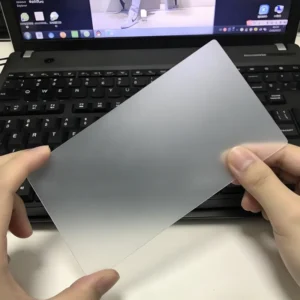
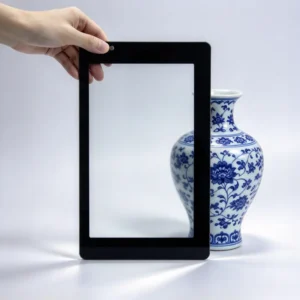
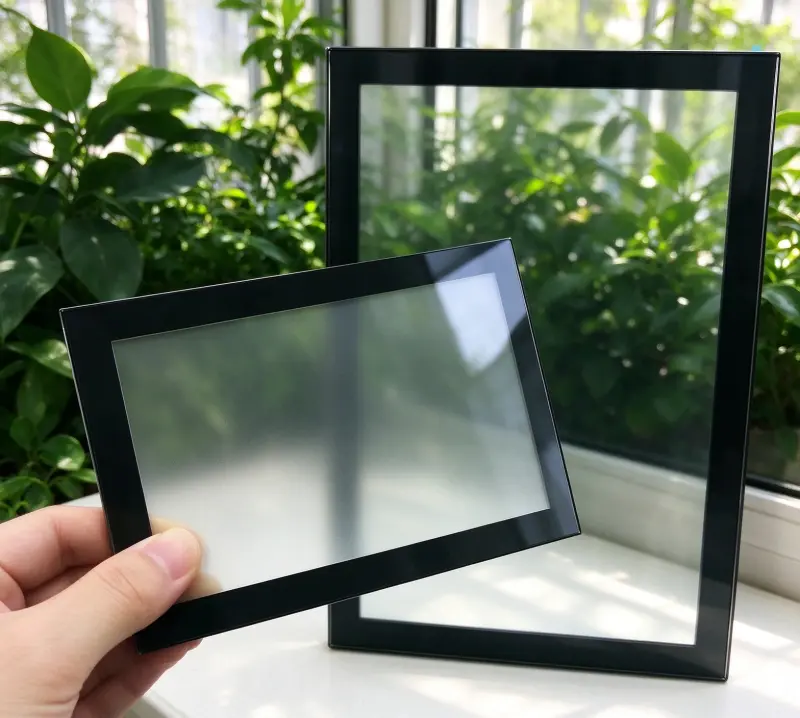
What you are interest in AG Glass
AG glass(Short for anti glare glass), working principle is a little different from regular glass. The surface treated to make a layer of tiny, which almost invisible bumps and grooves. The microscopic textures give the glass a slightly rough finish. When light arrive the surface, instead of bouncing straight back in one direction (which is what causes annoying glare), it gets scattered in many different directions.
Simple change big difference. The ambient light no longer reflects directly into your eyes so screen stays clear and easy to read even in bright environments. Colors look more vivid and details stay sharp. The overall viewing experience is much more comfortable especially if you stare at a screen for long time.
In a nutshell, AG glass turns harsh reflections into soft and diffused light. It’s a practical solution to make display clearer, more readable and easier on the eyes in any lighting condition.
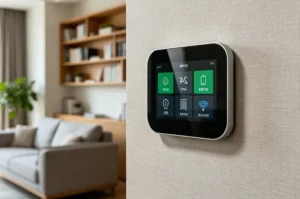
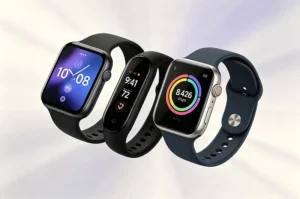
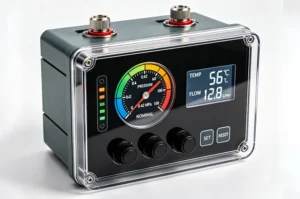
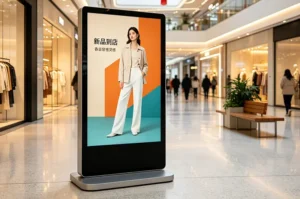
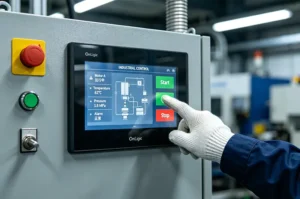
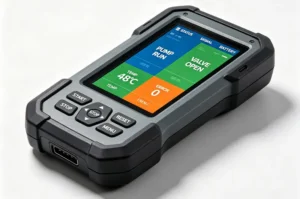
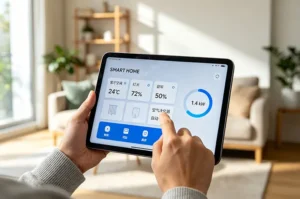
The reasons for why AG Glass chose?
♦Performance & Features:Our AG glass delivers optical performance that truly makes a difference. Light transmittance reaches about 90%, while surface reflection drops to roughly 1%. With overall light transmission above 80% and glossiness over 60%, the screen stays clear and readable from virtually any angle even under the direct light. High transmittance also means colors come through more vividly, images look sharper, and the light feels softer on the eyes. Ambient reflections cut down significantly, viewing angles improve and the overall visual experience is simply better. It especially valuable for large outdoor screens, where clarity and realism really count. Plus, the anti-glare effect reduces eye strain, so users can view content comfortably for longer periods.
♦Viewing Angle:Horizontal viewing angle exceeds 160°, vertical exceeds 140° so the image stays consistent even when viewed from the side.
♦Image Quality:When paired with DLP projectors, the glass maintains uniform brightness and image consistency across different viewing distances. No “hot spots” or “sunburst” effects appear, so the picture stays even from edge to edge.
♦High Resolution Support:For screens larger than 40 inches, the glass fully supports HDTV, VGA, SVGA, XGA, and SXGA resolutions, making it suitable for high-definition applications.
♦Anti-Abrasion AR Coating:This built-in coating provides extra surface protection, so it’s no need for additional screen covers. It also helps cut down glare while boosting image contrast and sharpness.
♦Thermal Stability:We use specialty glass with a low thermal expansion coefficient. This ensures the screen stay flat and distortion free across different temperatures and environments, and the assembled display looks seamless and well integrated.
♦Transmission & Thickness:Light transmission exceeds 88%, reflectivity stays below 1%, and thickness ranges from 1.1mm to 6mm, depending on your screen requirements.
♦Black Surface Finish:In bright conditions, the screen still delivers high contrast with vivid, true-to-life colors. When the display is turned off, the surface presents a uniform, deep black appearance that looks clean and premium.
The AG Glass customization guide
Fore more than 8 years, we’ve noticed a common frustration among buyers: the initial AG glass samples look great and test well, but once mass order place, the final product feels different obviously even when the gloss readings haven’t changed.
So what’s really going on?
Most people know that tight gloss control is the key to keep the anti-glare effect consistent. The industry standard allows a tolerance of ±10 within a single mother sheet. But in our own production process, we hold ourselves to a much tighter standard: ±5 because we’ve seen how even small variations can affect the final user experience.
That’s to say, gloss alone doesn’t tell the whole story. To truly deliver stable, reliable AG glass, you also need to keep a close eye on several other parameters: roughness, haze, light transmittance, reflectivity, resolution, and clarity. If any of these factors drift during production, the performance can change in ways that gloss numbers simply won’t reveal.
That’s why we always recommend working with a supplier who monitors and manages all these variables-not just the easy ones to measure.
AG Glass Technical Parameters
Front-Side Parameters (AG Treated Surface)
| Parameter | Value / Range | Notes |
|---|---|---|
| Gloss Level (60°) | 40–120 GU | Customizable based on application (e.g., lower gloss for outdoor, higher for indoor high-resolution displays) |
| Gloss Tolerance | ±5 (per sheet) | Tighter than industry standard (±10) for consistent quality |
| Roughness (Ra) | 0.08–0.25 μm | Controlled to ensure balanced anti-glare effect and clarity |
| Haze | 8%–40% | Adjustable depending on desired diffusion level |
| Light Transmittance | ≥ 88% | Maintains bright, vivid display output |
| Surface Reflectance | ≤ 1% | Minimizes ambient light interference |
| Resolution / Clarity (DOI) | ≥ 85% | Preserves image sharpness—critical for high-definition screens |
| Surface Hardness (Pencil) | ≥ 6H | Scratch-resistant for daily use |
| Abrasion Resistance | ≤ 3% ΔHaze | After 1000 cycles (CS-10F wheel, 500g load) |
Back-Side Parameters (Non-Treated Surface / Coated Side)
| Parameter | Value / Range | Notes |
|---|---|---|
| Surface Finish | Flat / Smooth | No AG treatment; typically left as bare glass or with AR/coating |
| Light Transmittance (with AR coating) | ≥ 95% | Optional anti-reflective coating boosts transmission |
| Reflectance (with AR coating) | ≤ 0.5% | Further reduces back-side reflection if applied |
| Flatness / Warpage | ≤ 0.1mm per 300mm | Ensures proper bonding and assembly |
| Coating Option | AR / AF / AS available | Anti-reflective, anti-fingerprint, or anti-moisture coatings can be added |
| Adhesion (Cross-cut Test) | Class 5B | Reliable coating adhesion for durability |
General Physical Specifications
| Parameter | Specification |
|---|---|
| Thickness Range | 1.1mm – 6.0mm |
| Max Size | Up to 1500mm × 2000mm (customizable) |
| Glass Type | Soda-lime, borosilicate, or aluminosilicate (option) |
| Chemical Strengthening | Optional (tempered glass available) |
| Operating Temperature | -40°C to +85°C |
| Surface Color (when off) | Deep black (with black surface finish option) |
Notes on Parameter Selection
- Gloss vs. Haze: Lower gloss generally means higher haze and stronger anti-glare effect, but may slightly reduce clarity. We can help you to find the right balance based on your specific screen resolution and viewing environment.
- Front vs. Back Integration: The back side can be customized with coatings to improve optical performance or provide additional functionality (e.g., anti-fingerprint for touch panels).
- Batch-to-Batch Consistency: All parameters are strictly monitored during production to ensure uniformity across large-volume orders.
A quick way to identify anti glare side
In industry there are lots of methods to identify AG side but suitable to customers, see below:
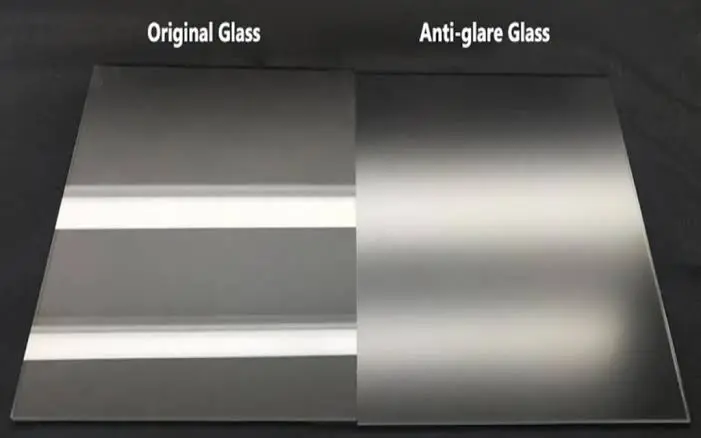
1.Feel the surface
Use your finger gently across the glass. If the surface feels smooth and your finger glides without much resistance, you’re likely on the AG side. If it feels stickier, more drags, and picks up fingerprints easily, that’s the untreated glass side. Why? Because the AG surface is chemically etched with tiny textures, usually about 0.06 to 0.08mm deepwhich gives it a subtle, paper-like feel that’s quite different from plain glass.
2.Check the reflection
Take a look at the reflection on surface. If the image you see is soft, blurry, or slightly hazy, that’s the AG side. On the untreated side, the reflection will be crisp and mirror-like, you can clearly make out shapes and details. The difference comes down to the etching process: it transforms the originally smooth, reflective surface into an uneven one, turning sharp reflections into much softer diffuse reflections.
Request A Free Quote
We respect your confidentiality and all informations are protected
Contact Us
Send us a message if you have any questions, request a quote or free samples.Our experts will give you a reply within 24 hours and help you select the right cover/panel material as your request.
Phone
kimi@zlcoverglass.com
Address
ZILANG,DONGGUAN,GUANGDONG 523000,CHINA