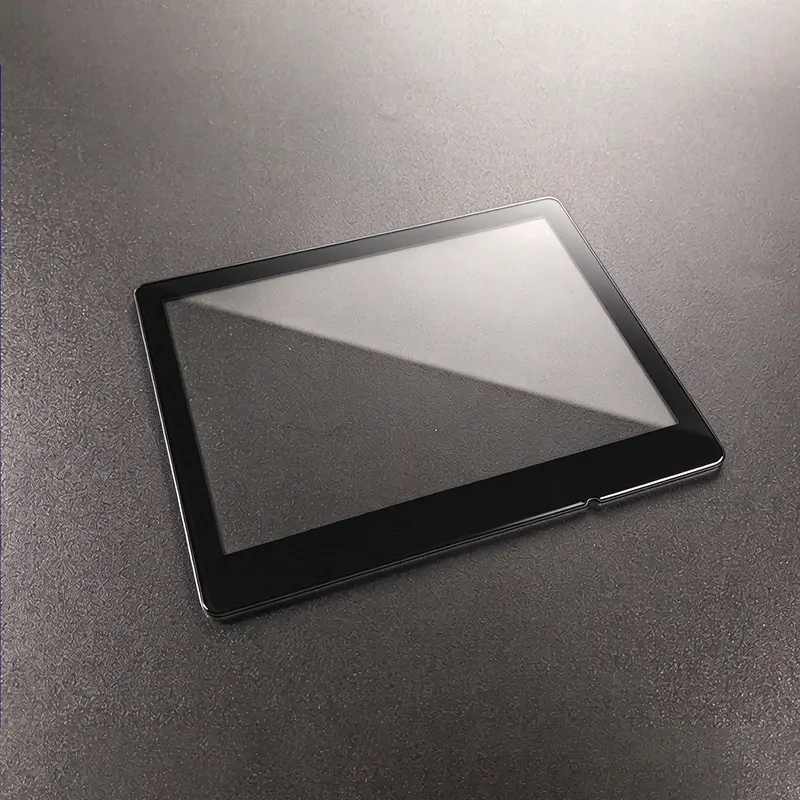
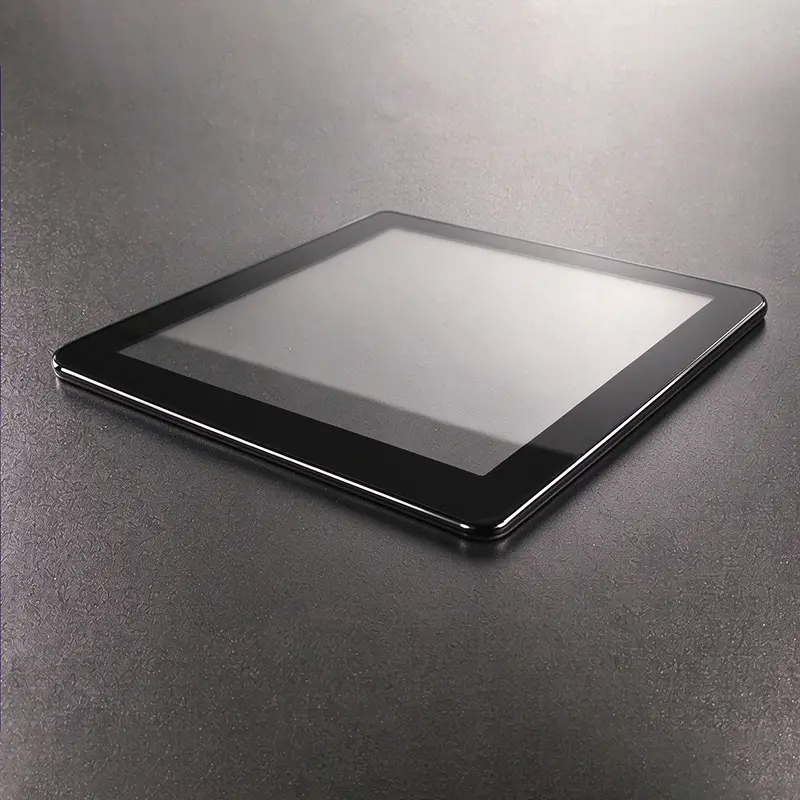
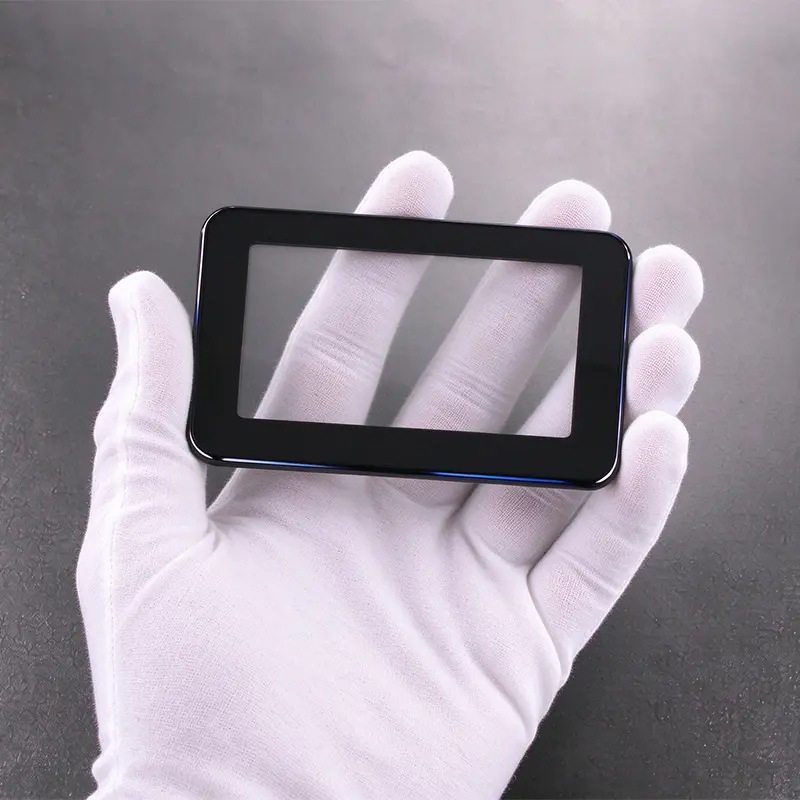

Barcode Scanner Window Glass for OEM Scanning Devices
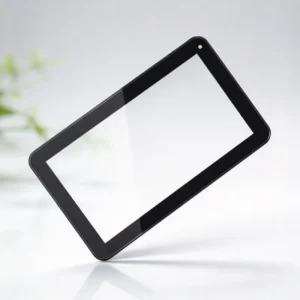
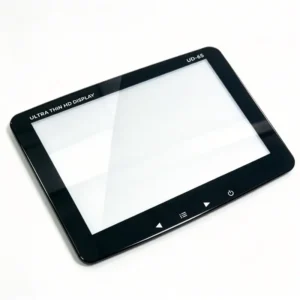
Barcode scanner window glass is a protective optical component installed in front of a scanning engine or imaging module. It allows the scanner to read printed barcodes while providing a physical barrier against dust, handling marks, abrasion and other conditions encountered during daily operation.
For equipment manufacturers, selecting a scanner window involves more than choosing a transparent piece of glass. The component must fit the housing, maintain the required optical performance and work with the scanner’s illumination and reading system. Window dimensions, thickness, surface condition and mounting details should therefore be defined before a production order is placed.
Zilang can review custom glass component requirements for electronic equipment based on customer drawings, samples and application specifications. Material selection and achievable tolerances should be confirmed for each design before production.
Where Is Barcode Scanner Window Glass Used?
Fixed-Mount Barcode Scanners
Fixed-mount barcode readers are used in conveyor systems, packaging lines, sorting equipment and automated inspection stations. Their optical windows may be exposed to repeated cleaning, airborne particles and routine equipment maintenance.
A replacement window must match the original opening and mounting arrangement. Incorrect dimensions or an unsuitable edge profile can create assembly problems, while scratches or contamination on the optical surface may interfere with the reading system.
Handheld and Industrial Barcode Readers
Handheld barcode scanners are used in warehouses, distribution centers, manufacturing facilities and retail operations. Depending on the device design, the front window may need to resist frequent contact and repeated cleaning.
OEM buyers should specify the required material, surface finish and thickness rather than assuming that all scanner windows use the same glass construction.
Logistics and Automated Identification Equipment
Barcode reading equipment used for parcel sorting, inventory tracking and production traceability can operate for extended periods. The window design should account for the scanner’s installation environment, cleaning procedure and expected service conditions.
For industrial equipment, it is useful to provide the complete part drawing rather than dimensions alone. Housing depth, edge clearance and mounting features can all affect the finished component.
Seven Specifications to Confirm Before Ordering
Overall Dimensions
Provide the finished length, width, outline shape and dimensional tolerances. If the component has rounded corners, stepped edges or an irregular profile, include a dimensioned drawing.
Glass Thickness
Thickness affects the available installation space and may influence optical performance, mechanical strength and assembly. Confirm the required thickness against the original component or the scanner housing design.
Optical Transmission
The appropriate optical transmission depends on the scanner’s light source, detector and operating wavelength. Visible-light barcode imagers and systems using other wavelengths may have different requirements.
Do not specify transmission only as a general percentage if the application has a defined wavelength range. Provide the wavelength and any applicable transmission requirements so the material can be evaluated correctly.
Surface Quality
Scratches, chips, particles and other surface defects may affect appearance or optical performance. Buyers should identify the inspection criteria that matter to the application, including the viewing area and acceptable defect limits.
If the window is part of a precision imaging system, the optical requirements may need to be more demanding than those for a basic protective cover.
Edge Finishing
Edges may need cutting, grinding or polishing to suit the assembly design and handling requirements. Specify whether sharp edges are permitted, whether polished edges are required and whether the drawing includes corner radii.
Surface Treatment
Coatings or surface treatments should be selected only when they serve a defined requirement. For example, an anti-reflective treatment may be considered when reflections interfere with the optical design, but compatibility and transmission must be checked for the intended wavelength.
A coating that works for visible light should not automatically be assumed suitable for an infrared scanning system.
Assembly and Inspection
Confirm whether the window is installed with adhesive, tape, a mechanical retainer or another method. The bonding area, clearance, flatness and housing contact points should be reviewed where relevant.
For repeat orders, the buyer should also define the inspection method, acceptable dimensional variation, packaging requirements and lot identification.
Material Selection for Barcode Reader Glass
Material selection depends on the scanner’s optical design, operating environment, cost target and expected service life.
Strengthened glass may be suitable for some protective windows where mechanical durability is important. Other designs may require a different optical material or a specific coating. The final selection should be based on wavelength compatibility and the actual operating conditions.
If the window sits directly in front of an imaging sensor, provide the sensor’s wavelength range and any relevant optical specifications. If it is mainly a mechanical protective barrier, the priorities may instead be dimensions, surface durability, cleaning compatibility and assembly reliability.
The material should not be selected solely by comparing nominal thickness or visible transparency.
Custom Manufacturing for OEM Scanner Components
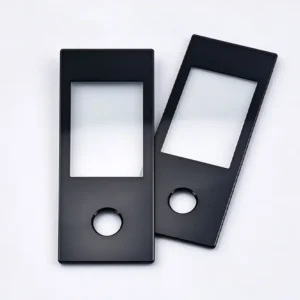
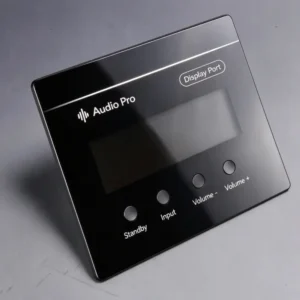
A custom barcode scanner glass window may have a rectangular, square, circular or specially shaped outline. Depending on the confirmed process capability, the manufacturing specification may include:
- Custom dimensions and thickness
- Drawing-based outline and corner radii
- Ground or polished edges
- Defined optical inspection areas
- Compatible surface treatments, where required
- Packaging designed to reduce scratches and edge damage during transportation
For an initial evaluation, buyers can provide a PDF or CAD drawing, an existing sample, estimated order quantity and the required delivery schedule. If the part is a replacement component, photographs showing both the front and rear sides may also help clarify its construction.
Manufacturing tolerances, coating availability and material options must be confirmed against the drawing. Prototype approval before volume production is recommended when the component has critical optical or mechanical requirements.
What to Include in Your RFQ
To obtain a useful quotation, please provide as many of the following details as available:
- Part dimensions and thickness
- Material or existing part reference
- Operating wavelength and optical requirements
- Surface finish and coating requirements
- Edge profile and corner radii
- Assembly method and housing drawing
- Prototype quantity and estimated annual demand
- Inspection, packaging and delivery requirements
If some specifications have not yet been finalized, send the available drawing and explain the scanner’s intended use. The outstanding requirements can then be identified before the component is released for production.
Request a Quote for Barcode Scanner Window Glass
Looking for a supplier for a new scanner design or a replacement optical window? Send your drawing, sample details or dimensional specification to Zilang for review.
Request a quotation: https://zlcoverglass.com/contact-us/
A complete RFQ helps clarify whether the proposed glass, optical requirements and manufacturing process are suitable for the application before samples or production parts are ordered.