
EMI Shielding Glass for Electronic Displays
Electronic equipment does not always need another layer of ordinary protective glass. In environments where electromagnetic interference can affect equipment performance, or where the display itself needs to be part of an EMC protection strategy, the glass has a different job.
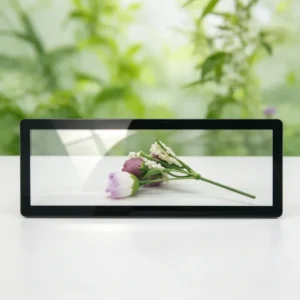
EMI shielding glass is designed to provide a viewing surface while helping reduce the transmission of electromagnetic interference through the display area.
It is used where optical visibility and electromagnetic shielding have to work together rather than being treated as separate requirements.
What Is EMI Shielding Glass?
EMI shielding glass is a functional glass component incorporating an electrically conductive shielding structure or coating.
Unlike conventional display glass, its purpose is not limited to protecting the screen from scratches, impact or handling. The shielding layer is designed to attenuate electromagnetic energy while allowing the operator to see the information displayed behind the glass.
Depending on the project, shielding can be achieved through conductive coatings, transparent conductive layers, fine metal mesh or other engineered structures.
The appropriate construction depends on the required frequency range, shielding effectiveness, visible light transmission, display technology and physical size of the finished panel.
For this reason, EMI glass should be specified from the actual equipment requirements rather than selected only by glass thickness.
Where EMI Shielding Glass Is Used
EMI shielding glass is generally considered for equipment where electromagnetic compatibility is important.
Typical applications include:
- Industrial control displays
- Medical equipment
- Laboratory instruments
- Aircraft and avionics displays
- Vehicle-mounted electronic systems
- Military and security equipment
- Measurement instruments
- Communication equipment
- Financial terminals
- Electronic control systems
- Sensitive monitoring equipment
Industrial equipment may use EMI glass when motors, drives, power electronics or other electrical components operate close to the display.
Medical equipment can require careful electromagnetic control because sensitive electronic systems may need protection from interference generated elsewhere in the equipment.
The glass specification therefore has to be matched to the complete system rather than considered as an isolated display component.
EMI Shielding Without Losing Display Visibility
One of the main challenges in EMI glass design is balancing shielding performance with optical performance.
A stronger shielding structure does not automatically produce a better display window.
The finished glass may need to maintain sufficient visible light transmission while controlling reflection, haze, color and surface appearance.
This becomes especially important for high-resolution displays, medical monitors and industrial HMIs where the operator needs to read fine information accurately.
The selected shielding structure can therefore be evaluated together with:
- Visible light transmission
- Surface reflection
- Haze
- Color appearance
- Display brightness
- Shielding effectiveness
- Surface resistance
- Operating temperature
The final specification should be based on the actual display module and electromagnetic environment.
Conductive Shielding Options
Different projects require different shielding structures.
A transparent conductive coating can be considered when optical appearance and a relatively clean glass surface are important.
A fine conductive mesh may be appropriate when higher shielding performance is required.
Other multilayer structures can combine conductive elements with glass substrates and optical films.
The choice depends on the frequency range and shielding target of the equipment.
The glass can also be combined with other optical requirements when the project calls for it. For example, anti-reflective treatment may be considered where display readability is affected by reflections.
Custom Glass Processing
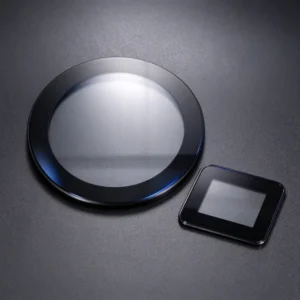
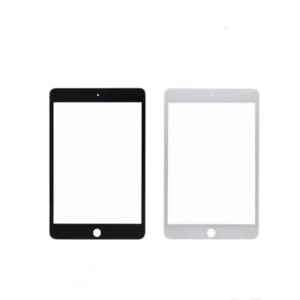
EMI shielding glass does not have to be a standard rectangular panel.
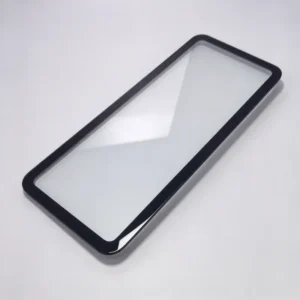
For OEM equipment, the glass can be processed according to the finished product drawing.
Possible fabrication includes:
- Custom outline cutting
- CNC edge processing
- Holes and mounting openings
- Slots and notches
- Rounded corners
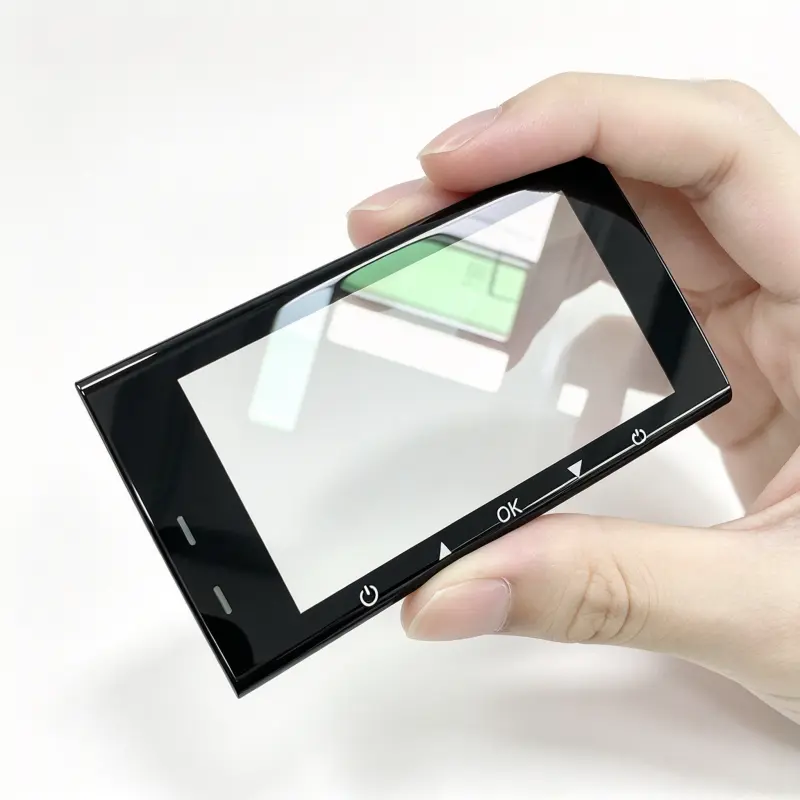
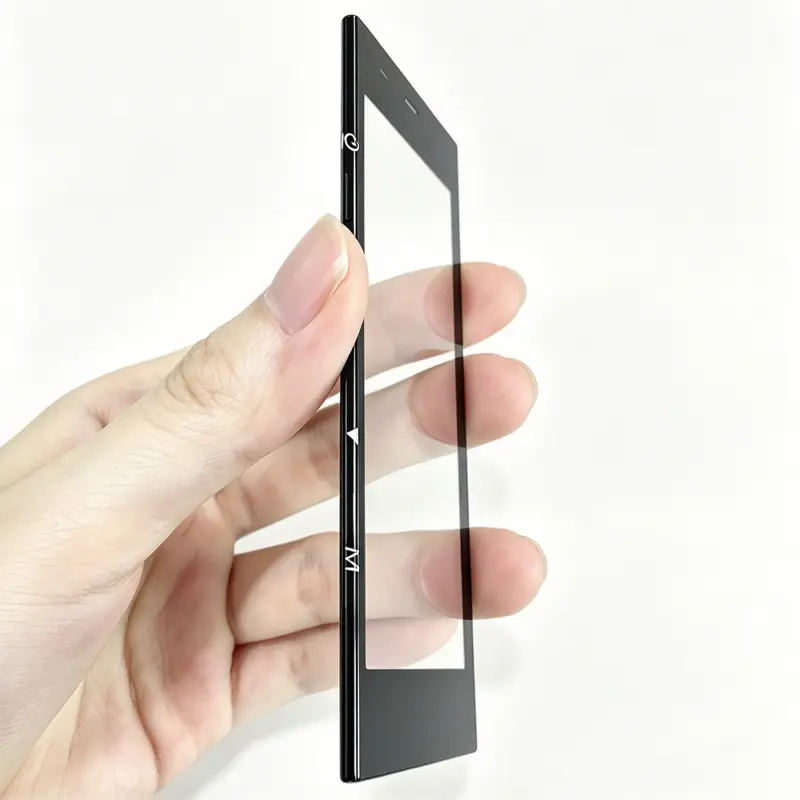
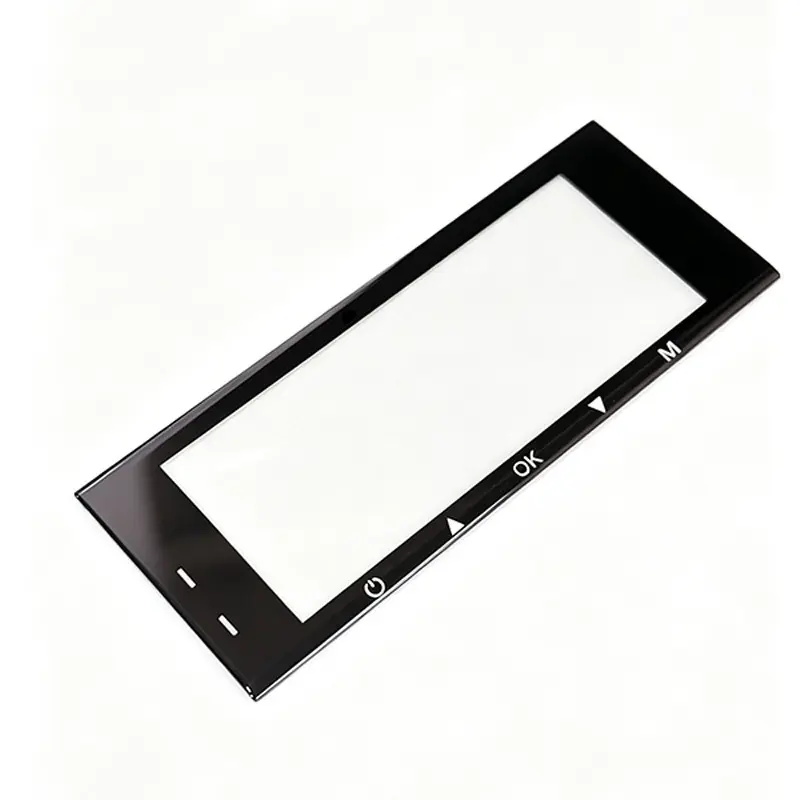
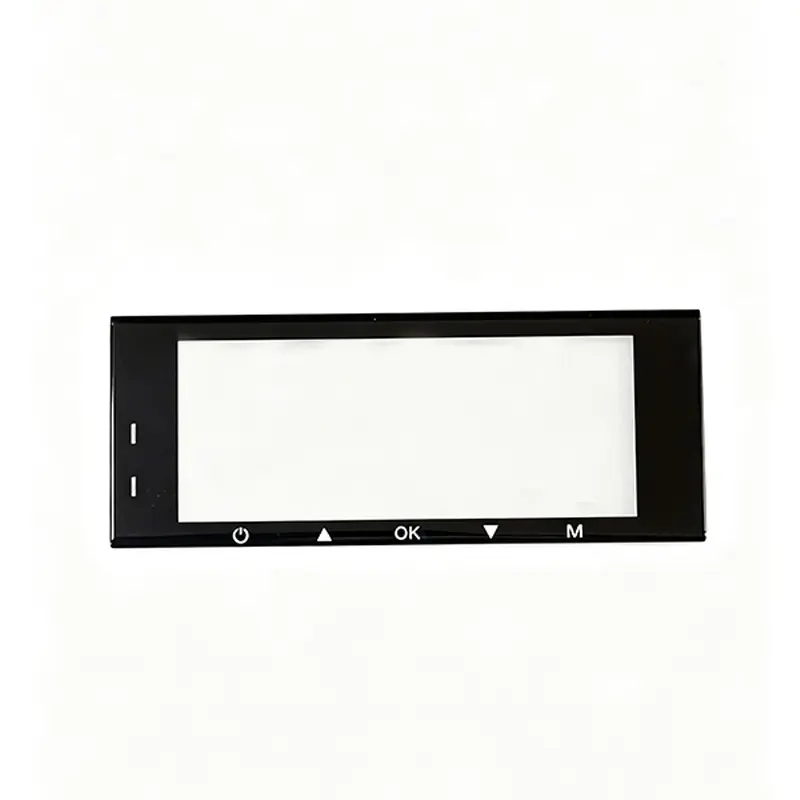
- Printed borders
- Logos and symbols
- Masking areas
- Surface treatments
Strengthening where compatible with the selected construction
The position of the shielding layer, conductive area and visible display window can be considered together with the mechanical design.
This is particularly useful for industrial control panels and specialized instruments where the glass has to fit directly into an existing housing.
EMI Glass for Industrial Displays
Industrial environments can create a more demanding electromagnetic environment than ordinary consumer products.
Variable-frequency drives, motors, switching power supplies and other equipment can operate close to the display.
At the same time, the operator still needs a clear view of temperatures, pressures, machine status and alarms.
EMI shielding glass can therefore become part of the overall display design.
The final glass may combine electromagnetic shielding with chemical strengthening, printing, anti-glare treatment or other processing where the material system permits.
The correct combination should be selected according to the equipment environment.
EMI Shielding Glass for Medical Equipment
Medical equipment presents another specialized use case.
Diagnostic and monitoring equipment may contain sensitive electronics that operate alongside displays, sensors and other electrical components.
In such products, the glass may need to provide both optical and electromagnetic performance.
The required specification depends heavily on the equipment architecture and applicable testing requirements.
For this reason, the glass supplier should review the intended application, display structure and required shielding target before recommending a construction.
Printing and Display Masking
EMI glass can also include printed areas.
A black ceramic border can hide internal components, adhesives or housing structures around the active display.
Additional graphics may include logos, indicators or functional markings.
Print registration is particularly important when the glass has openings or transparent windows that must align with the display underneath.
The artwork and mechanical drawing should therefore be reviewed together before production.
Optical Performance Still Matters
EMI shielding should not be treated as the only specification.
For a display component, the user still needs to see the screen.
Depending on the application, the finished glass may therefore require controlled reflection, high transmission or specific color performance.
In some projects, an anti-reflective treatment can be evaluated to improve readability under strong lighting.
In others, an anti-glare surface may be more suitable.
The optical treatment should be selected after considering the display brightness, viewing distance and operating environment.
OEM EMI Shielding Glass
Every EMI shielding project is different.
The required shielding level, frequency range, optical performance, glass thickness, dimensions and processing method can vary significantly between applications.
For that reason, OEM production should start from the equipment drawing and technical requirements.
A sample, CAD drawing or existing glass component can be used to review the required construction.
The finished component can then be developed around the display module rather than forcing the equipment design to fit a standard glass panel.
If your product requires electromagnetic protection together with a visible electronic display, send the glass drawing, display size and required shielding specification for technical review and quotation.