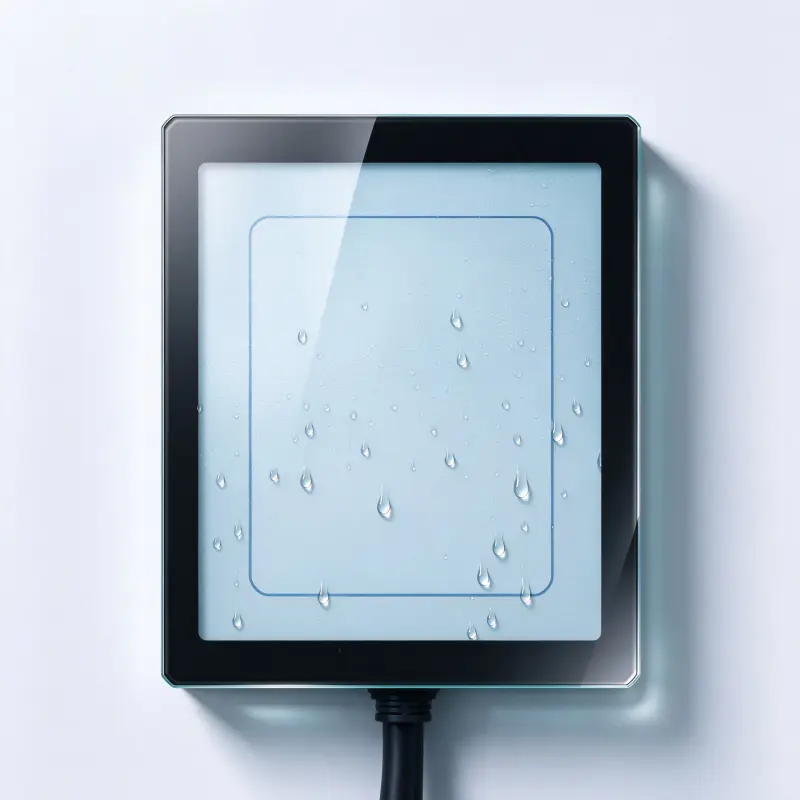

Glass Panels for Different EV Charging Equipment
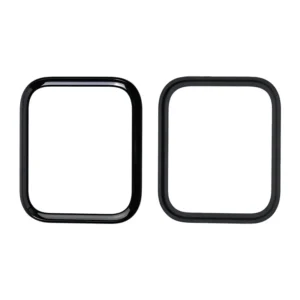
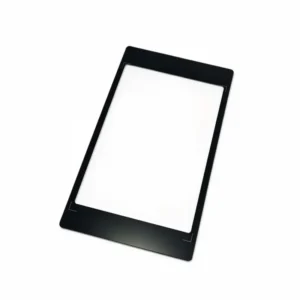
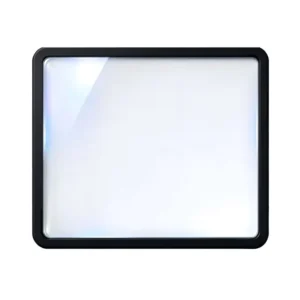
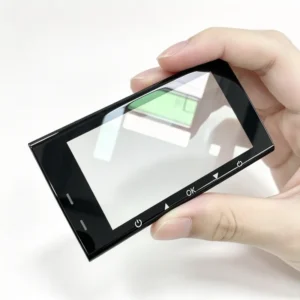
EV chargers are available in different configurations, and their glass front panels vary according to the display size, enclosure design, and user interface.
Residential Wallbox Chargers
Residential wallbox equipment generally uses compact glass panels with clean outlines and minimal visual clutter. Black printed borders can conceal internal components and create a consistent appearance around the display and touch control areas.
Commercial EV Charging Stations
Commercial charging equipment may require larger front glass panels with multiple display windows, operating instructions, status indicators, and brand graphics. Consistent printing and dimensional accuracy are important for the finished product.
Public Charging Terminals
Public charging stations are often installed in exposed or semi-exposed locations. Their glass panels may need additional consideration for reflected sunlight, surface contamination, frequent user contact, and the mechanical conditions of the installation.
Fleet and Workplace Charging Equipment
Charging systems used in fleet depots, office parking facilities, and commercial buildings may use customized front panels to match the manufacturer’s product design and control interface.
The glass specification should be selected for the actual installation environment rather than assuming that every EV charger requires the same construction.
Tempered Glass for EV Charger Front Panels
The glass material and strengthening method influence the mechanical performance of the finished panel.
Clear soda-lime glass is commonly considered for electronic equipment cover panels. Extra-clear glass can be selected when a cleaner appearance and reduced green tint are important, particularly around transparent display areas.
Depending on the required thickness, dimensions, and mechanical specifications, chemical strengthening or thermal tempering may be evaluated.
Important design factors include:
- Overall glass dimensions and thickness
- Panel shape and unsupported areas
- Mounting points and fixing structure
- Cutouts, holes, and edge distances
- Required impact resistance
- Transportation and installation conditions
For outdoor charging equipment, the mechanical design of the complete enclosure also matters. The cover glass alone does not establish the waterproof or dustproof rating of the finished charging station.
The glass specification should therefore be reviewed together with the housing, gasket, adhesive, and assembly arrangement.
AR and AG Coatings for Outdoor Display Visibility
One of the practical challenges of an EV charger display is maintaining readability under different lighting conditions.
A glossy glass surface can reflect sunlight and surrounding objects, making screen information harder to read. This can be particularly noticeable on charging stations installed in open parking areas.
Anti-reflective (AR) coating is an option for reducing surface reflection and improving the viewing experience. It can be considered when display visibility is an important design requirement.
Anti-glare (AG) treatment works differently. It modifies the surface reflection through controlled light diffusion, helping reduce distracting reflections.
The choice between AR and AG depends on the display module, lighting environment, required image sharpness, and surface appearance.
For projects involving outdoor charging equipment, the following factors should be considered:
- Reflection under direct sunlight
- Display contrast and readability
- Light transmission requirements
- Surface cleaning frequency
- Coating durability
- Compatibility with the selected glass and printing process
AR and AG should not automatically be combined. The finished optical performance needs to be evaluated with the actual display assembly.
Black Silk-Screen Printing and Custom Graphics
Printed graphics are an important part of an EV charger cover glass design. They can define the visible display area, conceal internal components, and provide space for operating symbols and brand information.
ZL Cover Glass can evaluate custom printing patterns according to customer artwork.
Typical printing requirements include:
- Solid black decorative borders
- Transparent LCD or touchscreen windows
- White charging status symbols
- Colored operating indicators
- Brand logos and product identification
- Printed instructions and control markings
- Reserved areas for sensors or indicator lights
- For charging equipment with multiple functional areas, accurate graphic positioning is especially important.
The printing artwork should be reviewed against the mechanical drawing and display layout. Areas intended to remain transparent must align with the actual display or sensor positions.
Customers can provide CAD drawings and print artwork for engineering review before sample development.
Custom Shapes, Holes and Edge Processing
EV charger front panels are not always rectangular. Some equipment designs use rounded corners, curved outlines, asymmetric shapes, or special mounting features.
Custom CNC processing can be evaluated for different panel geometries.
Available processing options may include:
- CNC cutting and profiling
- Edge grinding and polishing
- Rounded corners and chamfers
- Precision drilling and cutouts
- Silk-screen printing
- Chemical or thermal strengthening
- AR, AG, and AF surface treatments
The location and dimensions of holes, notches, and cutouts should be confirmed before strengthening. Edge distances and corner radii can affect both manufacturability and mechanical performance.
For designs using adhesive or gasket mounting, the contact area and dimensional tolerances should also be reviewed.
AF Coating for Frequently Used Charging Interfaces
Charging station displays and control panels are frequently touched by users. Fingerprints and surface marks can gradually affect the appearance of the glass.
An anti-fingerprint (AF) coating can help reduce visible fingerprint residues and simplify routine cleaning.
For public charging equipment, the coating selection should consider actual cleaning methods and exposure conditions. The cleaning chemicals used by the equipment operator should be checked for compatibility with the coating.
AF treatment is an optional surface specification rather than a substitute for regular maintenance.
OEM Customization for EV Charger Cover Glass
ZL Cover Glass develops customized glass panels according to customer drawings, samples, and project requirements.
| Specification | Custom Options |
| Glass material | Clear glass, extra-clear glass |
| Thickness | Project-dependent |
| Strengthening | Chemical or thermal strengthening, subject to feasibility |
| Surface treatment | AR, AG, AF |
| Printing | Black, white, colored silk-screen printing |
| Panel shape | Rectangular, rounded, irregular outlines |
| Edge processing | Grinding, polishing, chamfering |
| Mechanical features | Holes, slots, cutouts |
| Design input | CAD drawings, PDF artwork, physical samples |
A typical project may involve drawing review, material confirmation, cutting, edge processing, printing, strengthening, surface treatment, quality inspection, and protective packaging.
The exact manufacturing sequence depends on the glass material and selected processes. For example, printing and coating compatibility should be reviewed before finalizing the production sequence.
Quality Considerations for EV Charger Glass Panels
A glass panel may look correct in a drawing but still encounter problems during assembly or actual operation.
For this reason, quality checks should be matched to the requirements of the project.
Important inspection items include:
Dimensional Inspection
Verify overall dimensions, thickness, hole positions, corner radii, and critical tolerances against the approved drawing.
Appearance Inspection
Check for scratches, chips, bubbles, printing defects, contamination, and other visible surface imperfections.
Printing Inspection
Verify graphic alignment, color consistency, coverage, and the position of transparent windows.
Surface Treatment Inspection
Evaluate coating uniformity and relevant optical or surface performance according to the agreed specifications.
Mechanical Evaluation
Where required, assess the glass strength and impact performance using an agreed test method and acceptance criteria.
For outdoor charging applications, environmental validation should also consider the complete assembled product, including its sealing structure and mounting system.
What to Include in an EV Charger Glass RFQ
To help evaluate manufacturing feasibility and quotation requirements, provide:
- Overall dimensions and glass thickness.
- Glass material preference.
- 2D CAD drawings or 3D design files.
- Black printing artwork and transparent window positions.
- Display size and touch module specifications.
- Required AR, AG, or AF surface treatment.
- Mounting holes, cutouts, and edge requirements.
- Installation environment, including indoor or outdoor use.
- Required mechanical and optical performance.
- Prototype quantity and estimated annual demand.
If the glass is being developed for an existing charging station, a physical sample can help confirm the mounting structure and assembly dimensions.
ZL Cover Glass can review your requirements and discuss suitable glass processing options for your EV charging equipment project.
Request a Custom EV Charger Cover Glass Quote
Send your glass drawing, printing artwork, or existing panel sample to discuss custom EV charger cover glass manufacturing.
Frequently Asked Questions
Can EV charger cover glass be manufactured in custom shapes?
Yes. Custom rectangular, rounded, and irregular panel outlines can be evaluated using CNC glass processing. The drawing should include dimensions, corner radii, holes, and other mechanical features.
Can the glass have black silk-screen printing?
Yes. Black decorative borders, logos, operating symbols, and transparent display windows can be incorporated according to the approved printing artwork.
Which coating is suitable for outdoor EV charger displays?
AR coating can help reduce reflection, while AG treatment can diffuse reflected light. The choice depends on display visibility, image sharpness, and the lighting conditions at the installation site.
Is tempered glass suitable for EV charging stations?
Tempered glass can be considered for applications requiring improved mechanical strength. The appropriate strengthening process depends on glass thickness, dimensions, geometry, and project specifications.
Can AF coating be applied to EV charger glass?
AF coating can be considered for frequently touched interfaces to reduce fingerprint visibility and simplify routine cleaning. Compatibility with the selected printing and coating structure should be confirmed.
Does EV charger cover glass provide waterproof protection?
The glass panel itself does not determine the waterproof rating of the complete charging station. Water protection depends on the assembled enclosure, gaskets, adhesives, joints, and sealing design.
Can you manufacture glass for both residential and commercial EV chargers?
Yes. Different panel dimensions, shapes, printing patterns, and surface treatments can be evaluated for residential wallbox chargers and larger commercial charging equipment.
What information is needed for an EV charger glass quotation?
A dimensioned drawing, glass thickness, material preference, printing artwork, surface treatment requirements, and estimated order quantity are useful starting points for quotation and engineering review.
Whether you are designing a new handheld gaming console, developing a revised display cover or looking for an alternative glass processing supplier, we can review the project according to your drawings and technical requirements.