

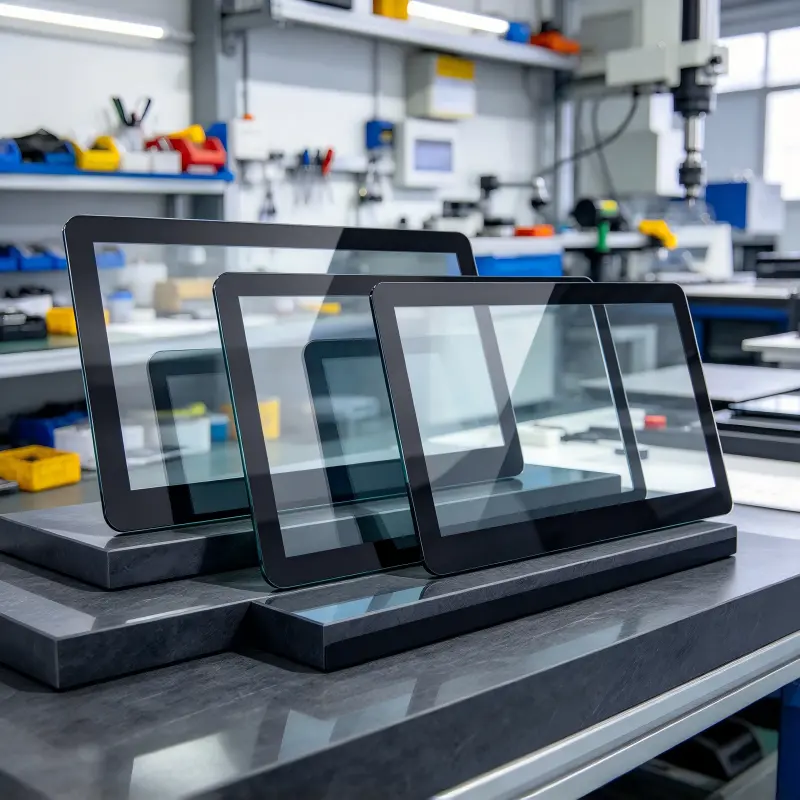

Why Choose a Tempered Glass Panel?
Tempering introduces a controlled stress distribution into suitable glass, improving its resistance to certain mechanical loads compared with equivalent untempered glass. The actual performance depends on the glass composition, thickness, dimensions, edge condition and tempering process.
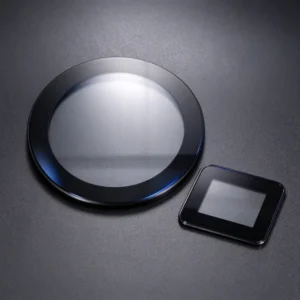
Tempered glass may be considered for equipment panels, protective glass components, appliance interfaces and other applications where the design calls for strengthened glass.
However, tempering is not a guarantee against breakage. Impact location, edge damage, installation stress and product geometry remain important factors in determining service performance.
Custom Sizes, Thicknesses and Shapes
Standard glass dimensions do not always match an equipment manufacturer’s enclosure or assembly design. Custom production allows the glass panel to follow the required outline and mounting arrangement.
ZL can review drawing requirements for:
- Custom length, width and thickness
- Rectangular panels and shaped glass outlines
- Rounded corners and specified corner radii
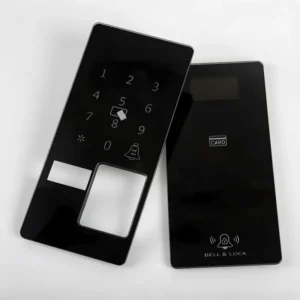
- Mounting holes, slots and cutouts
- Edge grinding, polishing and chamfering
- Dimensional tolerances and inspection criteria
The drawing should define all critical dimensions and identify the datum points used for inspection. For panels with multiple holes or narrow sections, the relationship between the glass outline and each machined feature should be confirmed before production.
Importance: For glass that must be tempered, holes, slots and edge processing generally need to be completed before tempering. Final dimensions and geometry must be reviewed for process feasibility.
Glass Processing Options for OEM Projects
CNC Machining and Edge Finishing
Accurate machining helps the glass fit the intended enclosure and mounting system. Depending on the design, the process may include outline machining, drilling, slot formation, edge grinding and polishing.
Edge requirements should be stated clearly. A ground edge, polished edge and chamfered edge serve different purposes and should not be treated as interchangeable specifications.
Surface Printing
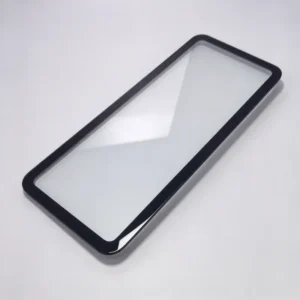
Screen printing can add logos, borders, markings or decorative patterns to a glass panel. If the panel is used near a display or indicator, the artwork should identify opaque regions and any areas where light transmission is required.
Printing specifications should cover color, dimensions, registration tolerance and acceptable visual defects.
Optional Surface Treatments
Where the application requires specific optical or surface characteristics, selected anti-reflective, anti-glare or anti-fingerprint treatments may be reviewed for feasibility.
These treatments are not automatically required for every tempered glass panel. The appropriate choice depends on whether the project prioritizes reflection control, light diffusion, fingerprint visibility or ease of cleaning.
Applications of Custom Tempered Glass Panels
Tempered glass panels may be used in a range of OEM products, including:
- Equipment enclosures and protective assemblies
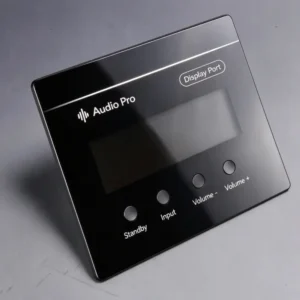
- Electronic product front panels
- Commercial and household appliances
- Industrial equipment interfaces
- Custom glass components for machinery and instruments
The required construction varies with the application. A panel used as an exposed protective surface may have different requirements from glass installed inside an enclosure or used as a viewing window.
For projects involving electronic displays, the glass should be evaluated together with the underlying display, touch sensor, adhesive and mounting arrangement.

How to Specify a Tempered Glass Panel
A complete RFQ helps establish feasibility and reduces uncertainty during sampling.
| Specification | Information to provide |
| Glass material | Preferred glass type or material requirements |
| Dimensions | Length, width, thickness and tolerances |
| Glass shape | Drawing, corner radii and cutout positions |
| Edge finish | Ground, polished, chamfered or other defined profile |
| Strengthening | Required tempering process or performance criteria |
| Printing | Artwork, colors and registration requirements |
| Surface treatment | Optional optical or surface requirements |
| Assembly | Mounting method, support points and contact materials |
| Inspection | Dimensional and visual acceptance criteria |
| Order quantity | Prototype quantity and estimated production demand |
If the final material or thickness has not been determined, provide the application, panel dimensions and installation details. ZL can review the requirements and identify the information needed for a manufacturability assessment.
Frequently Asked Questions
Can tempered glass panels be made to custom dimensions?
Custom dimensions and shapes can be reviewed against the selected glass material and manufacturing process. The final design must meet the applicable processing limitations.
Can holes and slots be added to tempered glass?
Holes and slots normally need to be machined before tempering. Their dimensions, positions and distances from the edges should be checked before production.
Is tempered glass suitable for every equipment panel?
No. Material selection depends on the required mechanical performance, temperature conditions, geometry, mounting method and applicable safety requirements.
Can ZL provide printed tempered glass panels?
Printing options can be reviewed according to the artwork, glass material and process sequence. Print appearance and dimensional requirements should be agreed before sampling.
What is needed for an OEM quotation?
Provide a drawing, material preference, thickness, edge specifications, surface requirements and order quantity. Reference samples and photographs are also useful when available.
Request a Quote for Custom Tempered Glass Panels
Send ZL your technical drawing, required glass dimensions, machining details and estimated quantity. If the panel will be installed in an enclosure or assembly, include the mounting arrangement and any relevant performance requirements.
ZL can review the proposed construction, discuss available manufacturing options and confirm project feasibility, MOQ and lead time.
Contact ZL to discuss your custom tempered glass panel project.