
AF Coating for In-Vehicle Display Covers
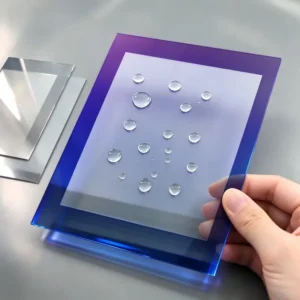
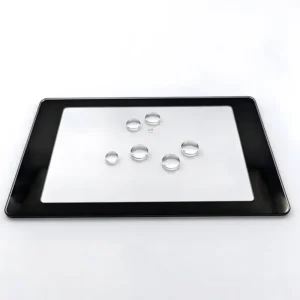
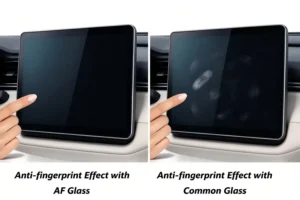
AF coating is typically designed to provide oleophobic properties, reducing the tendency of skin oils to spread and remain on the surface. It does not replace the need to select an appropriate glass substrate or verify the finished component’s strength.
For automotive display applications, specification review should cover several areas:
- Fingerprint visibility: Evaluate the appearance of smears against the actual display background.
- Cleaning requirements: Identify the cleaning agents and wiping conditions expected during regular use.
- Optical performance: Confirm that the finished surface meets the display’s clarity and reflection requirements.
- Mechanical integration: Match the outline, thickness, edges and mounting features to the housing.
- Coating durability: Establish agreed test methods and acceptance limits before mass production.
These requirements should be checked on finished samples rather than assumed from the AF coating description alone.
Customized Automotive Display Glass
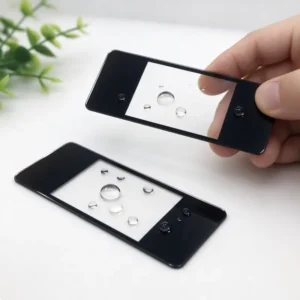
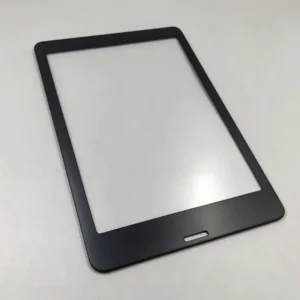
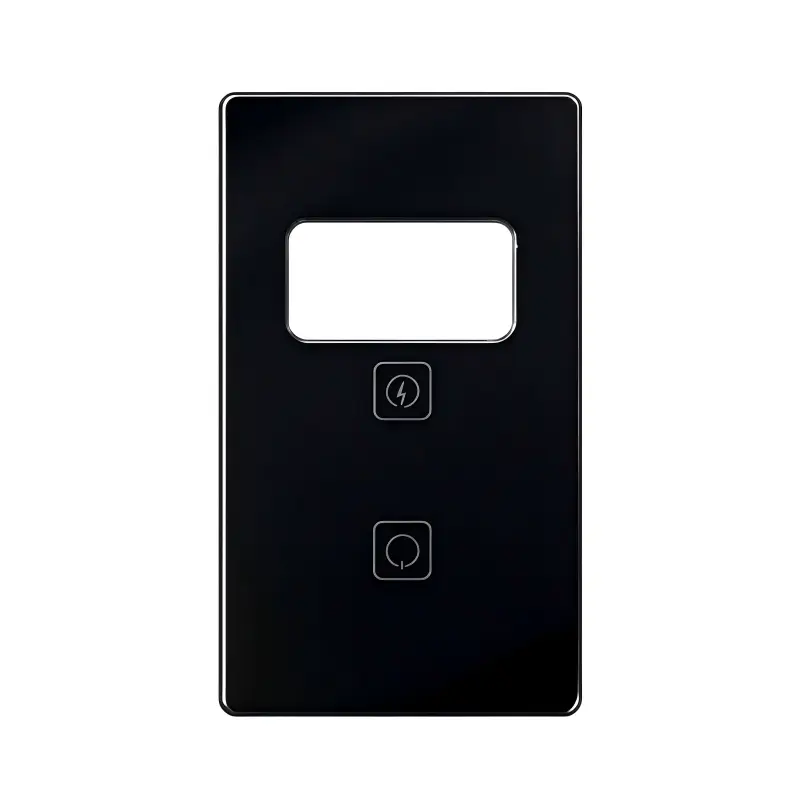
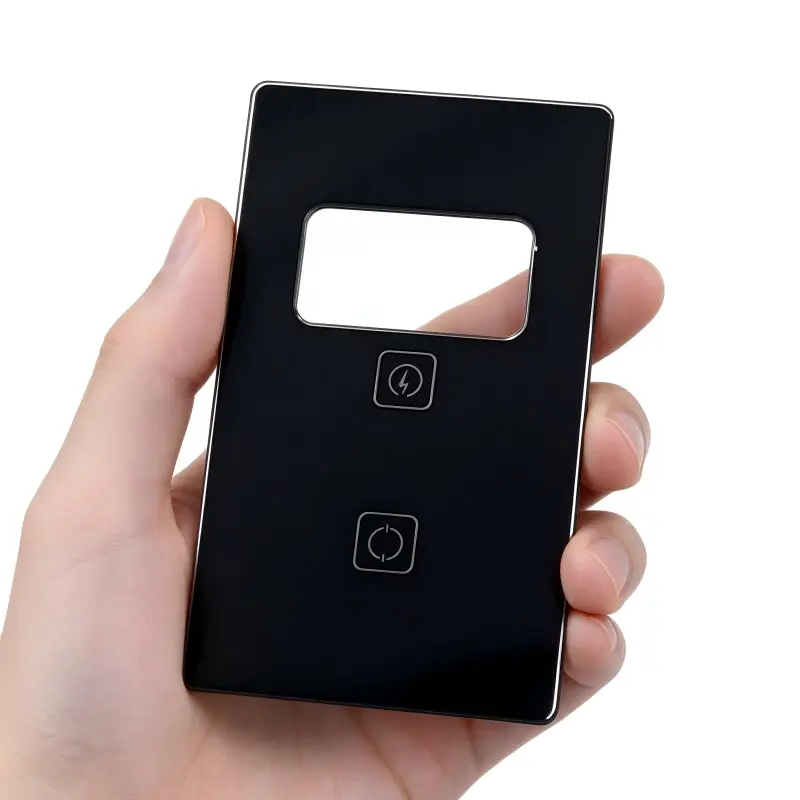
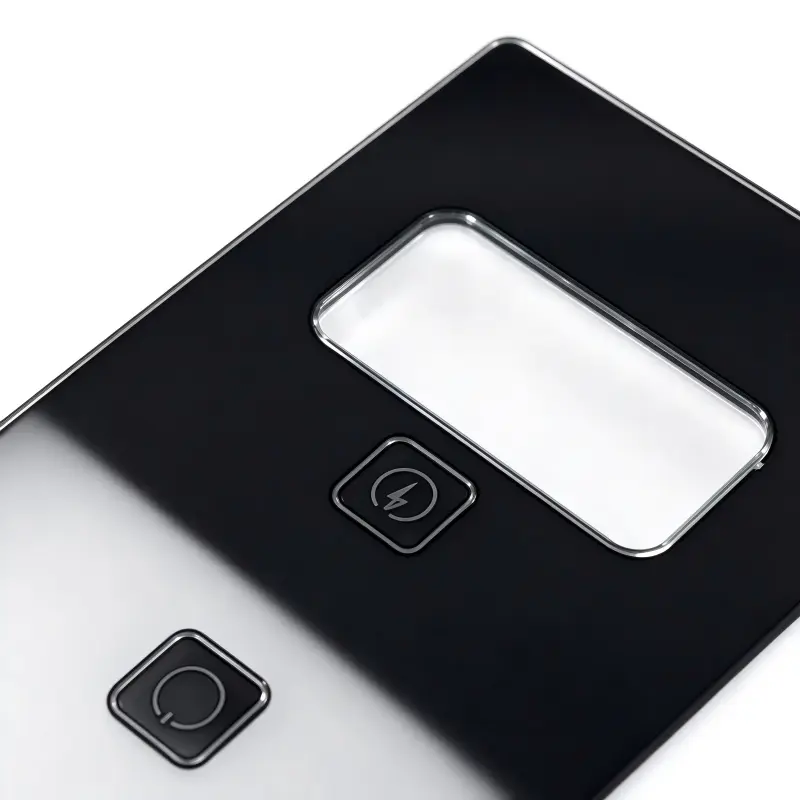
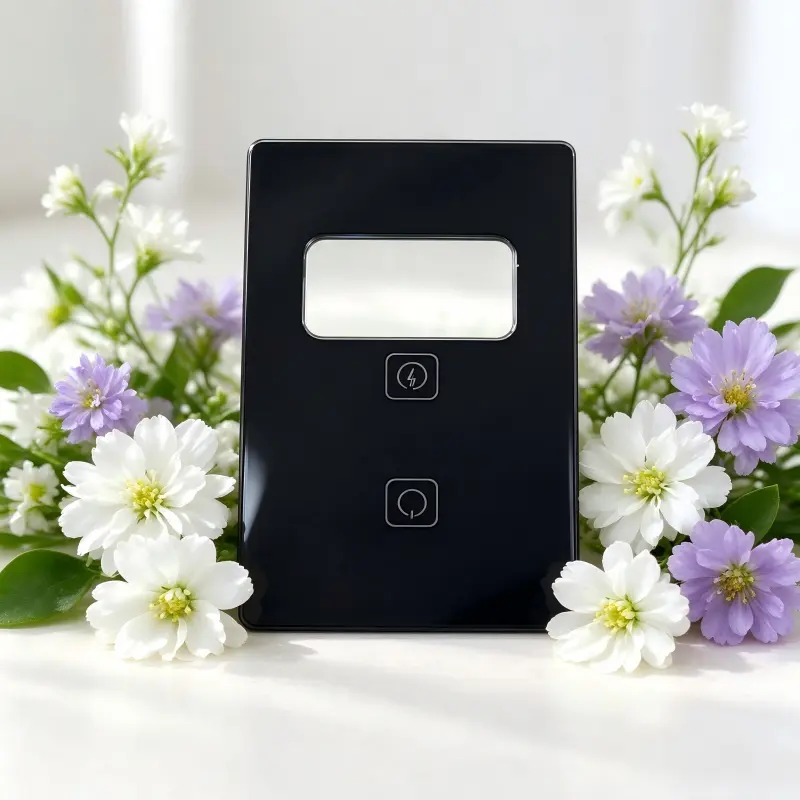
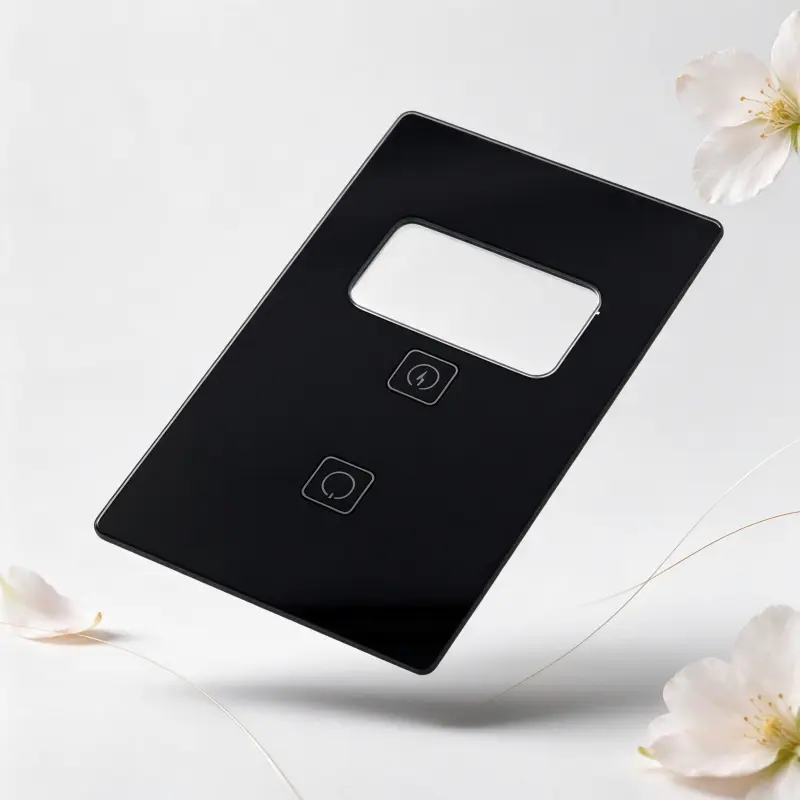
Different vehicle display designs require different glass geometries and finishes. A custom cover may have rounded corners, polished edges, a printed black mask or openings for integrated controls.
| Design requirement | Possible specification |
| Glass substrate | Selected according to design and performance requirements |
| Glass thickness | Drawing-based |
| Surface coating | AF, with optional compatible AR or AG treatment |
| Edge profile | Ground, polished, chamfered or specified contour |
| Glass outline | CNC-cut custom dimensions |
| Decorative finish | Black border, logo or other screen-printed graphics |
| Openings | Holes or slots where the design permits |
| Validation | Optical, dimensional and coating tests based on agreed criteria |
If the cover glass will be bonded to a display module, the bonding method and coating location must be reviewed together. The AF-coated surface is normally intended for the exposed touch side, while bonding interfaces may require a different surface condition.
AF, AG and AR: Which Surface Treatment Should You Choose?
The three treatments address different issues:
- AF (anti-fingerprint): Reduces fingerprint residue and helps with cleaning.
- AG (anti-glare): Diffuses reflected light to reduce concentrated glare.
- AR (anti-reflective): Reduces surface reflections through an optical coating design.
An automotive display may require AF alone, or a combination such as AR + AF or AG + AF. These are not interchangeable specifications. The final choice should reflect cabin lighting, display contrast, touch use and the appearance required by the vehicle manufacturer.
For example, a glossy center display may prioritize clear image reproduction and fingerprint resistance, while a display used in a brightly lit environment may require additional reflection or glare control.
Development and Quality Verification
Before approving an automotive display glass component, the buyer and supplier should agree on the inspection plan. Depending on the project, this can include:
- Dimensional and outline inspection against the approved drawing.
- Visual inspection for chips, scratches, coating defects and printing inconsistencies.
- Optical evaluation on the intended display module.
- AF performance testing before and after the agreed abrasion procedure.
- Environmental testing based on the project’s temperature, humidity and chemical exposure requirements.
Automotive qualification requirements vary by program. Specific test results or automotive certifications should only be claimed when supported by actual test documentation.
Applications
Custom AF coated glass suitable for:
- Center-stack infotainment displays
- Digital passenger-control interfaces
- Rear-seat entertainment displays
- In-vehicle climate-control touch panels
- Integrated electronic instrument interfaces
- Custom automotive HMI cover components
The suitability of the glass depends on the vehicle design, installation environment and customer qualification requirements.
Frequently Asked Questions
Can AF coated glass be combined with AR coating?
Potentially, yes. AR + AF designs can be considered when both reflection reduction and fingerprint resistance are required. The coating stack and performance should be confirmed with the supplier.
Does AF coating affect touchscreen operation?
AF coating is generally designed for use on exposed glass touch surfaces. Compatibility should still be verified on the actual cover glass and touch module assembly.
Can automotive AF glass include black printing?
Yes. Decorative silk-screen printing can be specified to conceal mounting areas or match the display bezel, subject to the approved design and manufacturing process.
What information is needed for an automotive glass quotation?
Provide a 2D drawing, glass thickness, substrate requirements, coating combination, edge profile, printing details, expected quantity and any required validation tests.
Request a Custom Automotive AF Glass Quote
ZL welcomes inquiries from automotive display developers, electronic component suppliers and manufacturers looking for customized AF coated glass.
Send your drawings and target specifications for a technical review. Sample evaluation can help confirm fit, visual appearance and coating performance before production approval.
CTA: Get a Quote for Automotive AF Glass