
What Makes Anti Fingerprint Tempered Glass Different?
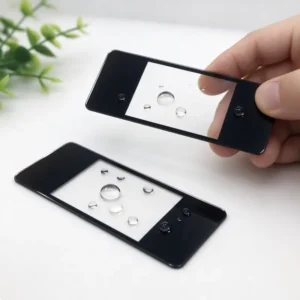
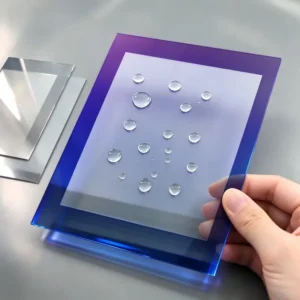
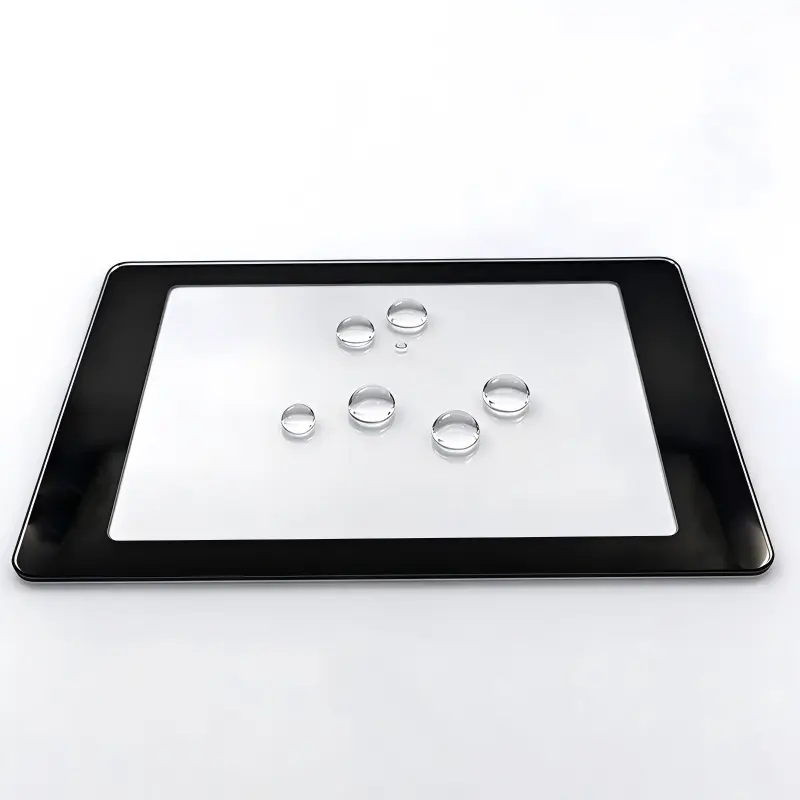
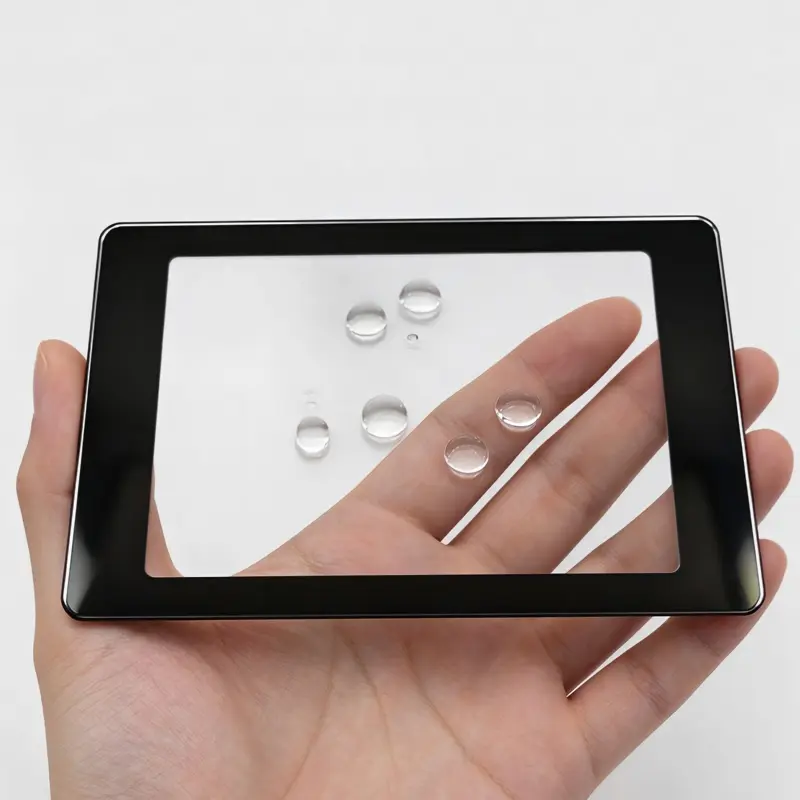
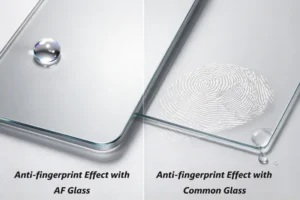
The anti-fingerprint function comes from the surface coating rather than from the tempering process itself. Tempering improves the glass’s mechanical performance, while AF treatment changes how oils and other contaminants interact with the surface.
Depending on the application, the finished glass may use chemically strengthened glass or thermally tempered glass. The appropriate option depends on the substrate, thickness, component geometry and required mechanical performance.
Key features include:
- Reduced fingerprint marks: An oleophobic coating helps reduce the adhesion and visibility of skin oils.
- Easier surface cleaning: Smudges can generally be wiped away more easily than on untreated glass.
- Clear display appearance: AF treatment can be specified alongside the optical requirements of the display.
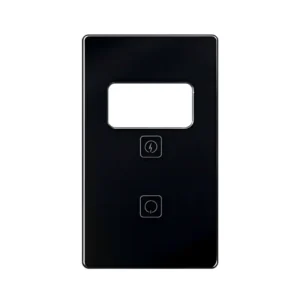
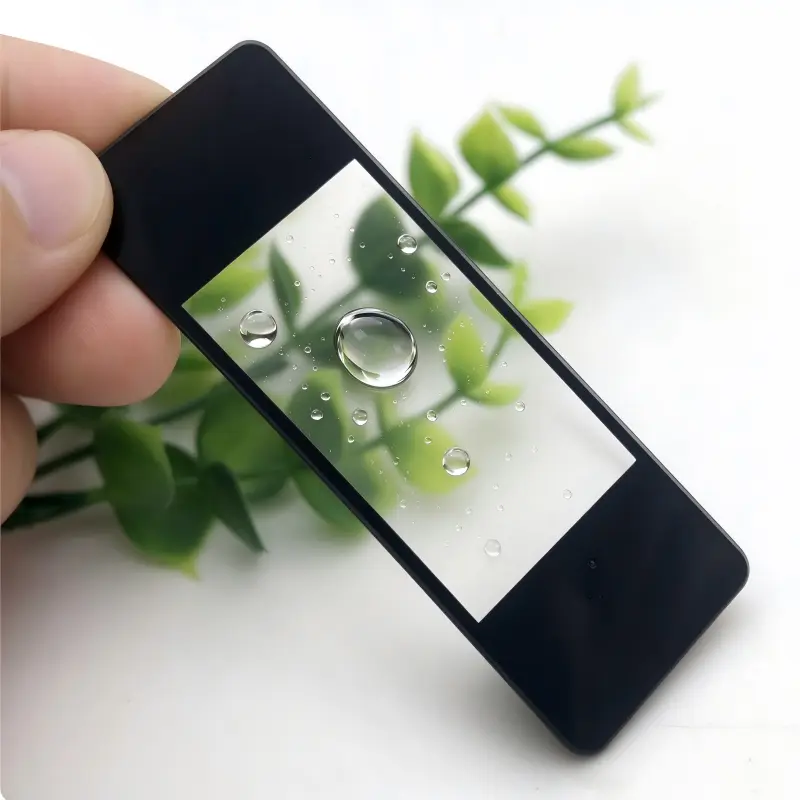
- Custom glass geometry: Rectangular, shaped and CNC-machined glass components can be produced to approved drawings.
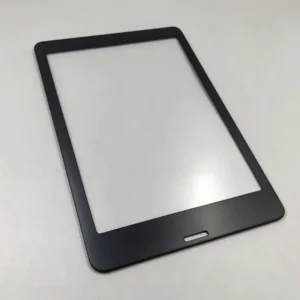
- Optional decorative printing: Black borders, logos and functional markings can be incorporated where required.
Custom Glass Processing Options
The finished component can be configured around the display housing and assembly process. Available processing options may include:
| Specification | Customization options |
| Glass material | Soda-lime or aluminosilicate, subject to project requirements |
| Thickness | Based on drawings and application |
| Strengthening | Chemical strengthening or thermal tempering, where suitable |
| Surface treatment | AF; optional AG or AR combinations |
| Edge finishing | Grinding, polishing and chamfering |
| CNC processing | Holes, slots and shaped contours |
| Printing | Silk-screen borders, logos and symbols |
| Supply format | Prototype samples and production orders |
Final specifications and process compatibility should be confirmed during engineering review.

Applications
Anti-fingerprint tempered glass can be considered for:
- Industrial touchscreen control panels
- POS terminals and self-service equipment
- Smart appliance control interfaces
- Electronic instrument displays
- Kiosks and access-control terminals
- Custom display assemblies
For applications requiring reduced glare as well as fingerprint resistance, an AG + AF combination may be evaluated. Where surface reflections are the primary concern, AR + AF may also be considered. The correct treatment depends on display brightness, ambient lighting and the required visual appearance.
How to Specify Your AF Glass
When requesting a quotation, provide the glass dimensions, thickness, substrate preference, edge details and available engineering drawings. It is also useful to specify the expected touch frequency and the cleaning agents used in the finished product.
For AF coating evaluation, agree on measurable acceptance criteria before production. These may include initial water contact angle, performance after abrasion, surface appearance and cleaning performance. A water contact angle alone does not establish the complete durability of a coating.
ZL can review your drawing and discuss suitable glass processing and coating options for prototype evaluation and subsequent production.
Frequently Asked Questions
Does anti-fingerprint coating make glass completely fingerprint-free?
No. AF coating is intended to reduce fingerprint adhesion and make residue easier to remove. Performance depends on the coating system, usage conditions and maintenance.
Can AF coating be applied to tempered glass?
Yes, subject to the selected glass and manufacturing sequence. The coating process and strengthening method should be reviewed together to establish a suitable production route.
Can AF glass include a black printed border?
Yes. Silk-screen printing can be specified for decorative borders, logos and functional markings, subject to the component design and process requirements.
Can AF glass also have anti-glare properties?
Yes. AG + AF treatments can be considered when both glare control and easier cleaning are required. Optical appearance should be evaluated using samples.
Request a Quote
Send ZL your drawing or sample, glass dimensions, thickness, surface treatment requirements and estimated quantity. We can review the specifications for custom anti-fingerprint tempered glass and discuss sample production.