
Anti-Reflective Glass for Outdoor Self-Service Terminals
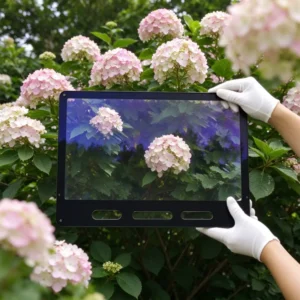
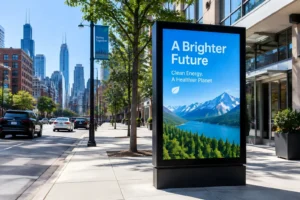
A kiosk may be installed at a transport station, parking facility, commercial entrance or public service location. In these environments, the screen can face sunlight at different angles throughout the day. Reflections on the outer glass surface may reduce the contrast between the displayed information and its background.
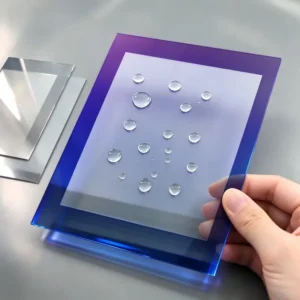
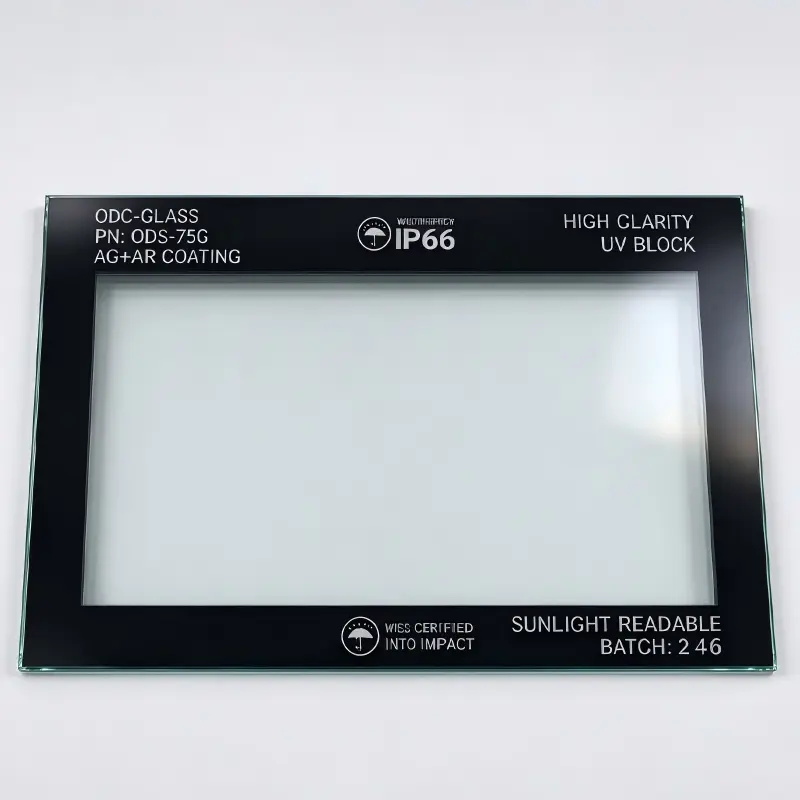
AR coating is designed to reduce surface reflection and increase the amount of display light transmitted through the glass. The actual improvement depends on the coating design, glass substrate, viewing angle and ambient lighting.
AR and anti-glare (AG) treatments work differently. AR reduces reflection through an optical coating, while AG uses surface texture to diffuse reflected light. Some kiosk designs may benefit from evaluating both treatments, but an AR+AG combination should be checked for haze, image sharpness, touch response and cleaning requirements before production.
The cover glass is only one part of sunlight readability. Screen luminance, display contrast, installation angle and enclosure design also influence the result.
Custom Glass Processing for Kiosk Manufacturers
Self-service equipment often has a distinctive front housing, with glass openings designed around the display, card reader, camera, buttons or other interface components. The cover glass must match these structural details while preserving the required viewing area.
Custom processing options can include:
- Glass dimensions and thickness: Specified according to the enclosure design and project requirements.
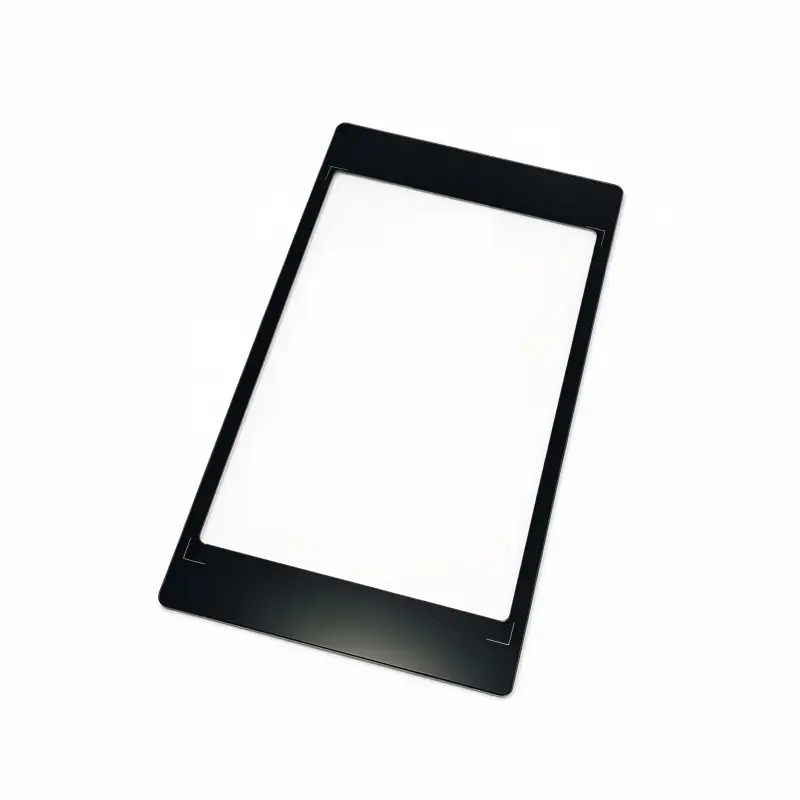
- Custom outlines: Rectangular panels or drawing-defined shapes.
- CNC cutouts: Holes, slots and notches where required by the design.
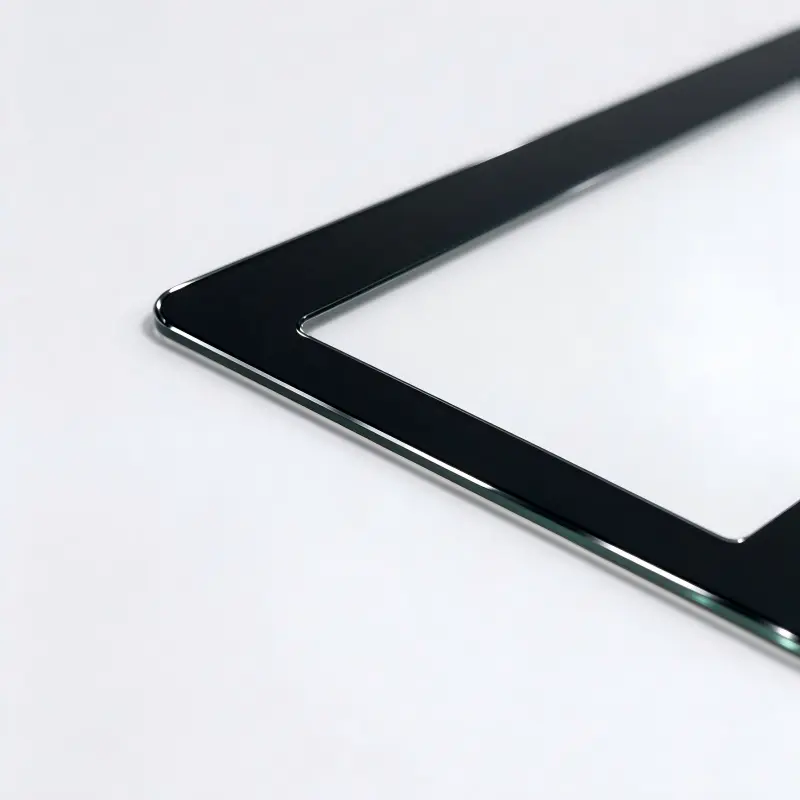
- Edge finishing: Ground or polished edges to suit handling and assembly requirements.
- AR coating: Single-sided or double-sided coating configurations for evaluation.
- Optional AG treatment: Considered where diffused reflection is required and the resulting optical characteristics are acceptable.
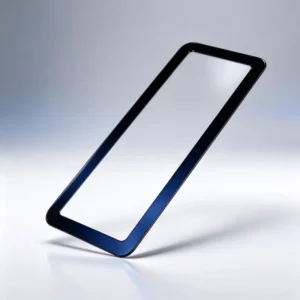
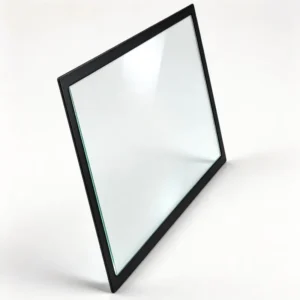
- Silk-screen printing: Black borders, logos, symbols and masked areas around the active display.
- Glass strengthening: Chemical strengthening or thermal tempering, where compatible with the selected material and panel design.
For larger panels, mounting tolerances and edge conditions deserve particular attention. A glass panel that matches the nominal external dimensions may still require adjustment if hole positions, corner radii or the housing clearance are incorrect.
Applications for Outdoor Kiosk Cover Glass
Custom AR cover glass can be considered for:
- Ticket vending machines
- Parking payment terminals
- Outdoor self-service kiosks
- Public information terminals
- Transport and passenger service displays
- Outdoor ordering and payment interfaces
- Digital signage with interactive display windows
Each application has different requirements. A kiosk beneath a canopy may have less direct sunlight exposure than a freestanding terminal. Equipment used by many people throughout the day may also require more frequent cleaning and greater attention to fingerprint visibility.
For this reason, coating selection should be based on the actual installation environment and maintenance procedure, not simply on whether the product is described as outdoor glass.
How to Specify AR Cover Glass for Outdoor Use
When requesting a quotation, start with a drawing or existing sample. Include the overall dimensions, nominal thickness, corner radii, hole positions, cutouts and edge finish. Mark the active viewing area and any printed borders or logos.
Next, define the optical requirements. If reflection is the primary concern, specify the required surface reflectance and visible-light transmittance, together with the relevant test method. State whether AR coating is required on one side or both sides.
For equipment installed outdoors, describe the expected exposure to sunlight, rain, dust, temperature changes and cleaning chemicals. Ask the supplier to confirm which environmental and coating durability tests are appropriate for the proposed material and coating system. Do not assume that every AR coating has the same weather resistance.
If the kiosk uses a touchscreen, identify the touch technology and provide details of the display assembly where possible. The final combination of glass thickness, surface treatment and any bonding layer should be evaluated for optical performance and touch operation.
Before mass production, confirm the approved drawing revision, critical dimensions, inspection criteria, prototype quantity and expected order volume.
Request a Custom Outdoor Kiosk Glass Quote
Zilang can review drawing-based requirements for custom kiosk cover glass, including optical coating, glass processing and printed features.
To help us assess your project, send the glass drawing or sample, material preference, thickness, coating requirements, intended installation environment and estimated quantity.
Request a Quote 做内链
Frequently Asked Questions
Can AR cover glass improve outdoor kiosk screen visibility?
AR coating can reduce surface reflection, which may improve perceived display visibility. The final result also depends on screen brightness, viewing angle, ambient light and enclosure design.
Should outdoor kiosk glass use AR or AG treatment?
AR reduces surface reflection, while AG diffuses reflected light. The choice depends on the optical requirements, viewing distance, acceptable haze and cleaning conditions.
Can the glass include mounting holes and printed borders?
Custom cutouts, mounting holes and silk-screened borders can be reviewed against the supplied drawing and manufacturing requirements.
Is double-sided AR coating always better for outdoor kiosks?
Not necessarily. The appropriate configuration depends on the optical target, exposed surfaces, durability requirements and cost. Request performance data for the proposed coating configuration before making a selection.
How can I check whether the coating is suitable for outdoor use?
Define the actual exposure and maintenance conditions, then establish suitable validation requirements with the supplier. Depending on the project, these may include coating adhesion, abrasion resistance, environmental exposure and cleaning compatibility.
What information is needed for an OEM quotation?
Provide a drawing or sample, dimensions, thickness, material preference, coating configuration, edge requirements, printing details and estimated quantity. Include optical targets and environmental test requirements where available.