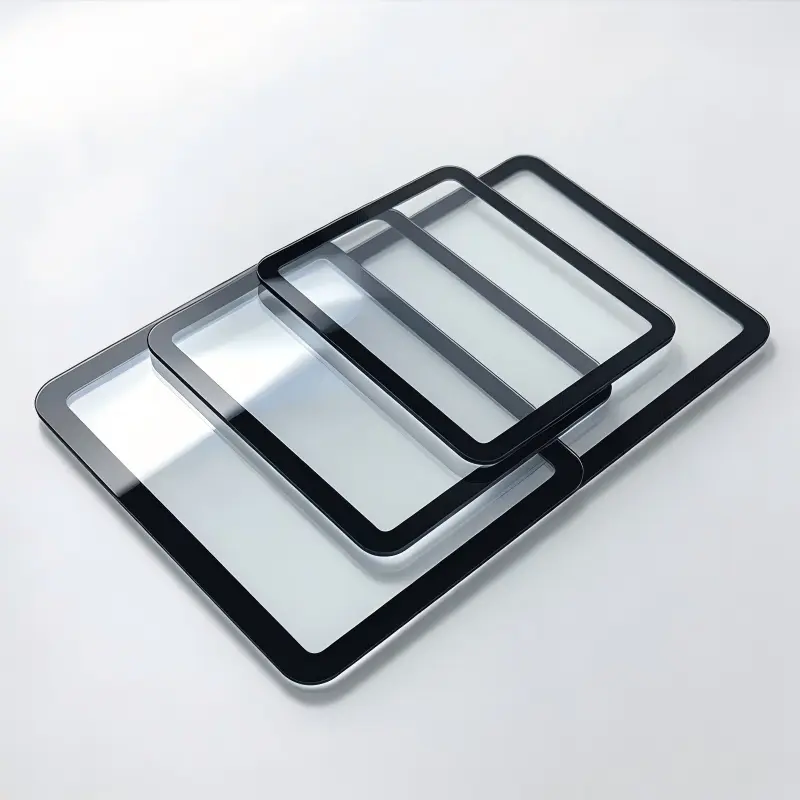

What Should an Industrial Glass Window Do?
The purpose of an industrial glass window should be defined before selecting the glass construction.
Some windows primarily provide visual access to equipment interiors. Others may need to withstand routine cleaning, temperature changes or contact with specified process substances. Certain applications may require improved impact resistance or a defined optical transmission range.
These requirements should be evaluated individually. A glass material suitable for a general viewing window may not be appropriate for a high-temperature process, a pressurized enclosure or an application involving hazardous chemicals.
The glass window should therefore be designed around the equipment’s operating conditions rather than selected solely by appearance or nominal thickness.
Glass Material Selection
Soda Lime Glass
Soda lime glass may be considered for general viewing windows where the temperature, mechanical loading and environmental requirements are compatible with the material.
The required thickness and dimensions should be assessed together with the mounting arrangement and expected loads. A thicker panel is not automatically suitable for every application, especially when the support conditions or impact risks have not been established.
Tempered Glass
Tempered glass may be considered when the application requires improved resistance to certain mechanical stresses or temperature-related conditions.
Its suitability depends on the glass composition, geometry, edge condition, installation and operating environment. The design should also account for the fact that tempered glass cannot generally be drilled or cut after tempering.
Other Specialized Glass
Applications involving unusual temperatures, optical requirements or chemical exposure may require specialized glass materials. Material suitability should be determined from the actual operating conditions and supplier technical information.
If the equipment has a defined temperature range, pressure condition or chemical-contact requirement, provide these details during the RFQ stage so that the proposed material can be evaluated appropriately.
Custom Dimensions and Machining
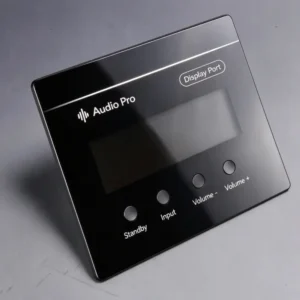
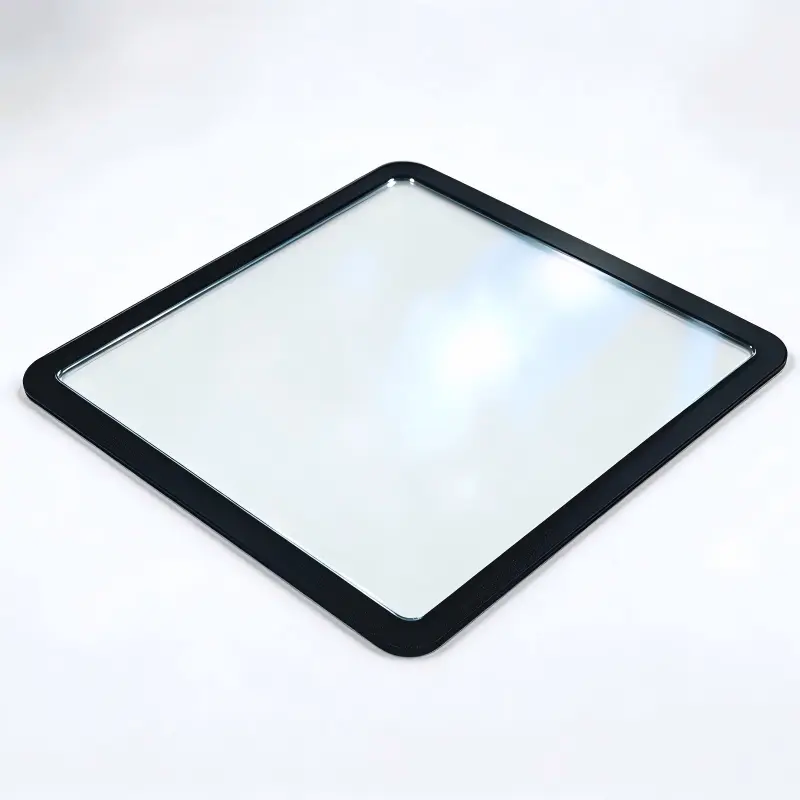
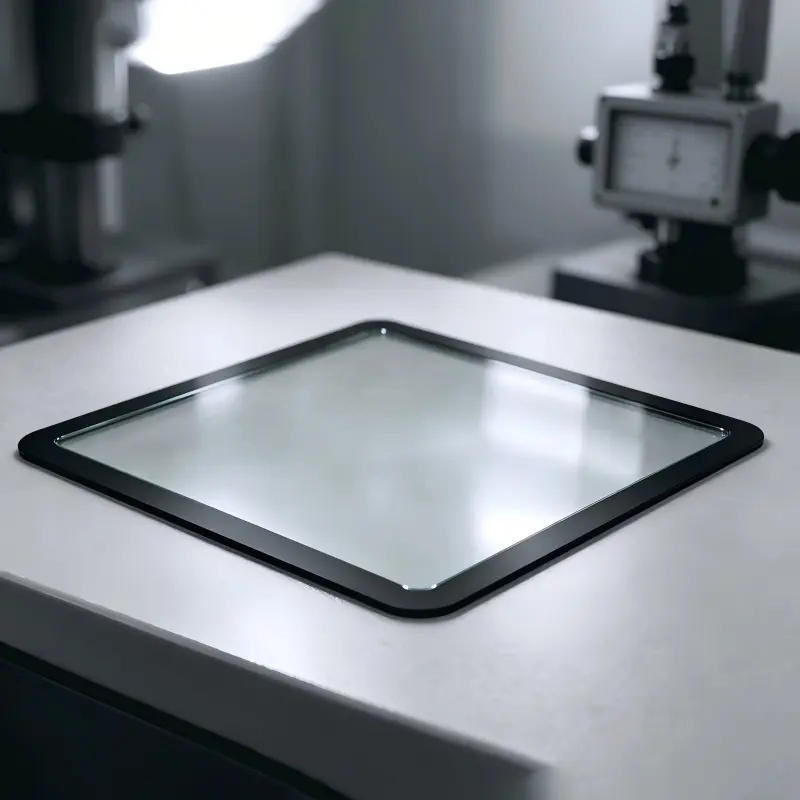
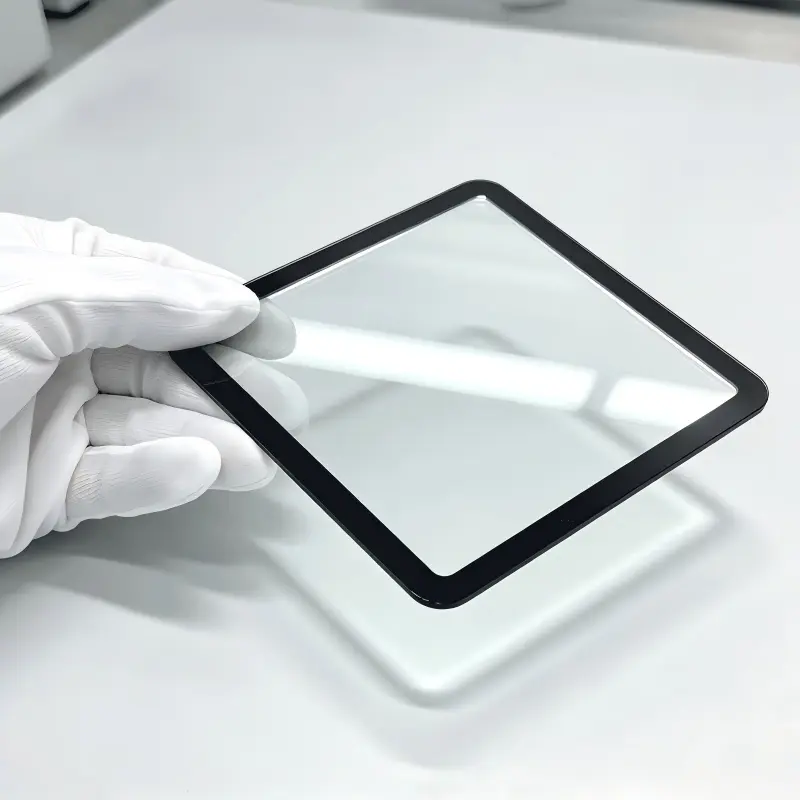
Industrial equipment often uses non-standard window shapes to fit a specific enclosure, inspection opening or mounting frame.
ZL can review drawing-based requirements such as:
- Custom rectangular or shaped glass outlines
- Specified length, width and thickness
- Rounded corners and defined edge profiles
- Mounting holes, slots and notches
- Ground or polished edges
- Dimensional tolerances and inspection points
The drawing should show the complete outline, feature positions and installation references. Hole diameter, edge distance, corner radius and glass thickness should be considered together to avoid creating difficult-to-manufacture geometries.
Where a window is installed using a gasket, frame or adhesive, the required clearance and contact conditions should also be included in the design review.
Sealing, Mounting and Environmental Conditions
The glass itself is only one part of an industrial viewing window assembly. The mounting frame, seals, gaskets and adhesives may determine whether the assembly meets its environmental requirements.
For example, a window exposed to regular washdown may require a different sealing arrangement from a dry inspection window. An assembly subject to thermal cycling may need materials and mounting conditions that accommodate changes in temperature.
Before finalizing the design, confirm:
- Whether the window is exposed to water, dust or cleaning fluids
- The expected operating and cleaning temperatures
- Whether pressure differences or mechanical loads are present
- The type of gasket, frame or adhesive used
- Whether the glass must be removable for maintenance
- Any applicable safety or performance standards
No glass panel should be assumed to provide a complete pressure barrier, chemical barrier or environmental seal without evaluating the assembled product.
Typical Industrial Applications
Custom industrial glass windows may be considered for:
- Machine enclosures and equipment inspection openings
- Manufacturing equipment and process machinery
- Electrical or electronic equipment enclosures
- Inspection windows for selected instruments
- Industrial systems requiring visual access to internal components
The material and construction should be matched to the actual application. High-temperature equipment, pressure vessels and hazardous-process systems require additional engineering review and may be subject to specific industry standards.
How to Prepare an RFQ
To obtain a useful quotation, provide both the glass drawing and the intended operating conditions.
| Requirement | Details to provide |
| Equipment type | Machine, enclosure or inspection application |
| Glass dimensions | Length, width, thickness and tolerances |
| Material | Preferred glass type or operating requirements |
| Shape | Outline, corner radii, holes and slots |
| Edge finish | Ground, polished or specified edge profile |
| Temperature | Normal and maximum operating temperature |
| Environment | Water, dust, cleaning agents or chemical exposure |
| Mounting | Frame, gasket, adhesive or other installation method |
| Mechanical loading | Relevant pressure, impact or support conditions |
| Quantity | Sample quantity and expected production volume |
If the material specification is not available, photographs of the installation area, a drawing of the mounting frame and a description of the operating environment can help establish the initial requirements.
Frequently Asked Questions
Can ZL manufacture custom industrial glass windows?
ZL can review OEM drawings for custom dimensions, shapes, edge finishing and specified machining. Final feasibility depends on the material, geometry and required performance.
Can industrial glass windows be supplied with mounting holes?
Hole machining can be evaluated according to the glass type, thickness, hole diameter and edge distance. For tempered glass, holes generally need to be completed before tempering.
Which glass is best for high-temperature equipment?
There is no universal answer. The required material depends on the operating temperature, temperature changes, mechanical loading and the complete assembly design.
Can the glass resist chemicals and cleaning agents?
Chemical compatibility depends on the glass composition, the chemical, concentration, temperature and exposure duration. Coatings, seals and adhesives may require separate evaluation.
What information affects the quotation?
Dimensions, material, thickness, machining details, tolerances, inspection requirements, quantity and delivery requirements are key factors.
Request a Quote for Industrial Equipment Glass Windows
Send ZL your glass drawing, installation details, required material and operating conditions. If the window is part of an existing machine, include photographs of the mounting structure and any known environmental requirements.
Our team can review the drawing and discuss suitable manufacturing options, project feasibility, MOQ and lead time.
Contact ZL for custom glass windows manufactured to your industrial equipment specifications.