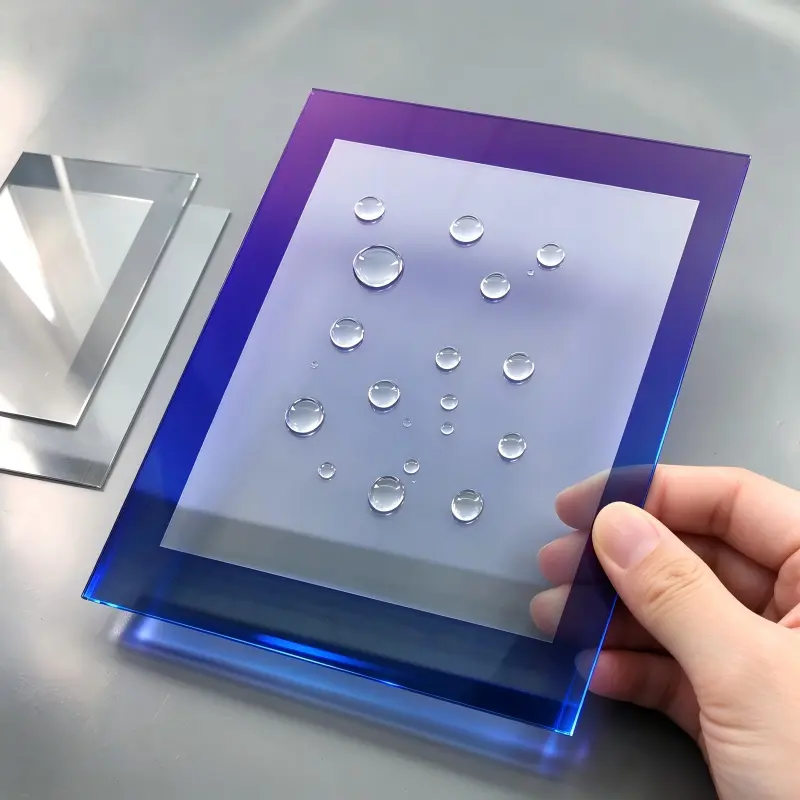
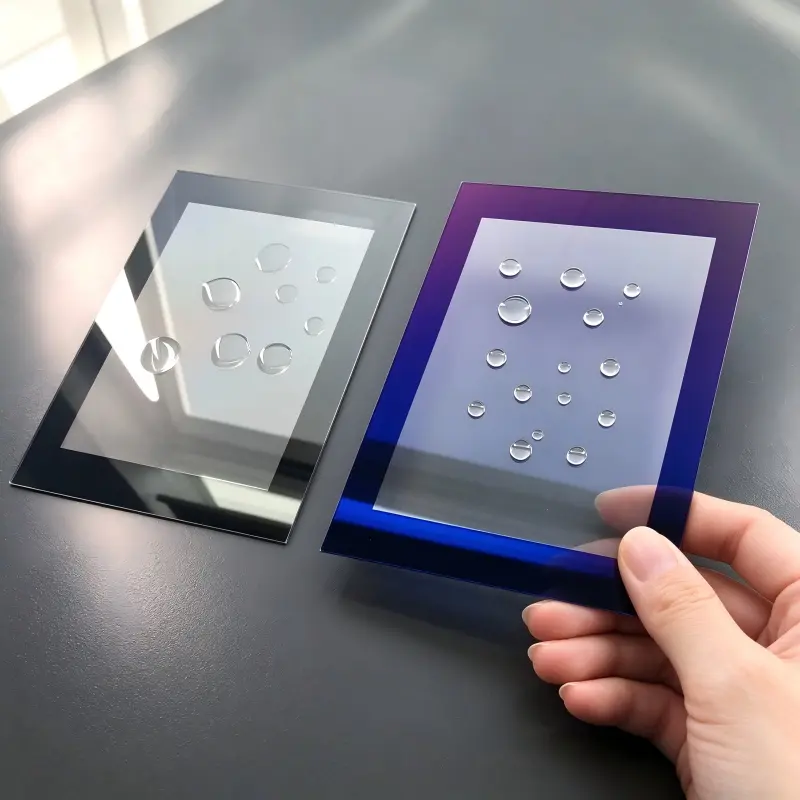

AR + AF Coated Cover Glass for Electronic Displays
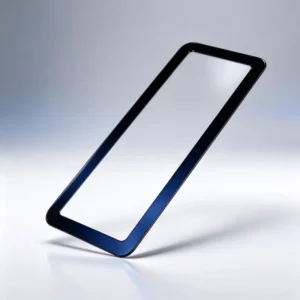
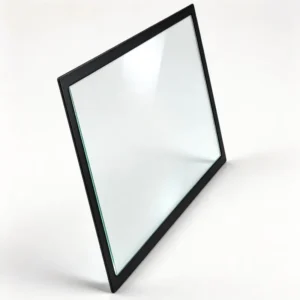
AR + AF coated cover glass combines anti-reflective (AR) treatment with an anti-fingerprint (AF) surface to address two common requirements in electronic display design: reduced visible reflection and easier removal of fingerprints.
For OEM manufacturers, the coating specification is only one part of the finished glass component. Substrate selection, thickness, dimensions, optical requirements, edge processing and assembly conditions must also be considered before production.
ZL Cover Glass supports custom glass panel development according to project drawings and agreed technical specifications.
What Does AR + AF Coating Do?
Anti-Reflective Coating for Display Clarity
AR coating is designed to reduce surface reflection and increase the amount of light transmitted through the glass. It can be considered for displays where reflections from ambient lighting affect screen visibility.
The appropriate coating design depends on the required reflectance, visible light transmittance, wavelength range, viewing angle and glass substrate.
Anti-Fingerprint Coating for Easier Cleaning
AF coating typically creates a low-surface-energy finish that reduces the adhesion of skin oils and fingerprints. This helps make the glass surface easier to wipe clean during routine use.
AF treatment does not make glass completely fingerprint-proof. Actual performance depends on coating chemistry, surface condition, usage and cleaning methods.
Why Combine AR and AF?
AR and AF address different surface requirements. AR reduces unwanted reflection, while AF improves resistance to fingerprint contamination.
Combining the two can be useful for frequently touched displays where both optical appearance and surface cleanability matter. The final coating stack should be selected according to optical performance, durability and process compatibility.
Custom AR + AF Glass Specifications
| Specification | Customization Options |
| Glass material | Soda-lime, aluminosilicate or other suitable glass substrates |
| Glass thickness | Selected according to drawing and assembly requirements |
| Glass dimensions | Custom rectangular or irregular shapes |
| Coating | AR + AF, subject to coating-system compatibility |
| Coating surface | Single-side or double-side treatment, depending on design |
| Edge finishing | Grinding, polishing and chamfering |
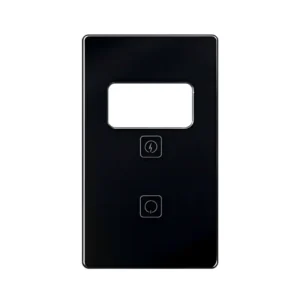
| CNC processing | Holes, slots, notches and custom cutouts |
| Glass strengthening | Chemical strengthening or thermal tempering, where applicable |
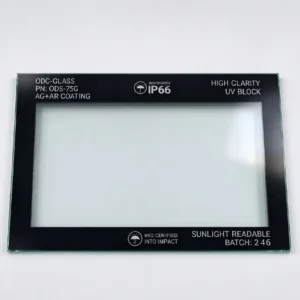
| Printing | Optional black borders, logos and graphic areas |
| Optical inspection | Agreed transmittance and reflectance requirements |
Final availability depends on the selected glass, coating technology and manufacturing process. Specifications should be confirmed during engineering review.
OEM Cover Glass Manufacturing Capabilities
ZL Cover Glass supports OEM projects that require customized glass dimensions, precision machining and application-specific surface treatments. Instead of sourcing a standard glass panel, customers can specify the glass component according to their engineering drawings, optical requirements and assembly conditions.
Integrated Glass Processing for OEM Projects
Custom Glass Cutting
Glass panels can be manufactured to specified dimensions and outlines for industrial displays, touchscreens and electronic equipment. Custom shapes are reviewed according to the drawing and selected glass material.
CNC Machining and Hole Processing
Mounting holes, slots, notches and other drawing-defined features can be incorporated into the glass panel. Hole dimensions, positions, edge distances and tolerances should be confirmed before production.
Edge Grinding, Polishing and Chamfering
Edge finishing can be specified according to the mechanical design and handling requirements. Available processing options should be confirmed for the selected geometry and glass thickness.
Glass Strengthening
Chemical strengthening or thermal tempering can be evaluated according to the glass composition, thickness, dimensions and application requirements. The suitable process depends on the selected substrate and finished part design.
AR and AF Surface Treatments
AR and AF treatments can be specified according to the optical and surface-performance requirements. Reflectance, transmittance, fingerprint resistance and coating durability should be defined using agreed test methods and acceptance criteria.
Custom Printing and Secondary Processing
Where required, printed borders, logos and other graphic elements can be coordinated with glass machining and coating requirements, subject to process compatibility.
From Engineering Drawing to Finished Glass
OEM projects typically begin with a drawing review to confirm dimensions, tolerances, material, edge details, optical requirements and surface treatments. Prototype evaluation and sample approval can be used to establish the manufacturing and inspection criteria before production orders.
For an efficient quotation, provide a 2D drawing, required thickness, target optical specifications, coating requirements and estimated quantity. ZL can review the project scope and confirm the applicable processing options before order confirmation.
One Customized Glass Component, Defined by Your Requirements
Whether your project requires a simple AR-coated panel or a machined glass component with combined AR and AF treatments, the manufacturing specification should be developed around the finished part—not just the coating name.
Submit your drawing to ZL Cover Glass to discuss OEM processing options, material selection and project-specific requirements.

Optical Performance: Define the Numbers Before Ordering
For an AR + AF glass project, the purchase specification should identify measurable acceptance criteria rather than relying on general descriptions such as high clarity or low reflection.
Consider the following parameters:
- Visible light transmittance: The proportion of visible light passing through the finished glass.
- Surface reflectance: The amount of light reflected from the coated surface.
- Spectral range: The wavelength range over which optical performance must be achieved.
- Viewing angle: Whether performance must be measured at normal incidence or other angles.
- AF performance: Water contact angle, oil repellency or cleanability requirements, where appropriate.
- Coating durability: Defined abrasion, cleaning or adhesion tests where required.
Single-side and double-side AR coatings can produce different results. Test methods and measurement conditions should be agreed upon before comparing supplier data.
Manufacturing Considerations for OEM Cover Glass
1. Glass Substrate and Thickness
The substrate affects optical performance, strength, processing and cost. Glass thickness should be selected according to the panel dimensions, support structure and assembly requirements.
2. Edge Processing and CNC Features
Custom glass may require polished edges, chamfers, mounting holes or special cutouts. These features should be shown on the approved drawing, including dimensions and tolerances.
3. Coating Compatibility
AR and AF treatments must be compatible with the selected substrate and intended processing sequence. Printing, bonding and other secondary processes may also influence the final design.
4. Inspection and Sample Approval
Before mass production, define acceptable appearance, dimensions, optical performance and coating durability. A representative sample can help establish the inspection baseline.
Applications of AR + AF Coated Glass
AR + AF glass can be evaluated for:
- Industrial touchscreen displays
- Electronic control panels
- Commercial display equipment
- Self-service terminals
- Medical and laboratory equipment displays
Other electronic products requiring reduced reflection and improved fingerprint resistance
Suitability depends on the optical, mechanical and environmental requirements of each application.

How to Request a Quotation
To receive a relevant OEM quotation, provide:
- A 2D drawing or dimensioned glass sample
- Glass material and thickness requirements
- Overall dimensions and CNC features
- AR reflectance and transmittance targets
- AF performance and durability criteria
- Printing or additional processing requirements
- Prototype quantity and estimated production volume
If the optical targets have not yet been finalized, share the display application and operating environment first. The coating specification can then be reviewed against the actual project requirements.
Contact ZL Cover Glass to discuss custom AR + AF coated cover glass for your electronic display project.
Frequently Asked Questions
What is AR + AF coated glass?
It is glass that combines anti-reflective treatment with an anti-fingerprint surface treatment to reduce visible reflection and improve cleanability.
Can AR and AF coatings be applied to the same glass panel?
Yes, compatible coating systems can combine both functions. The specific process and performance must be confirmed for the selected substrate and design.
Is AR + AF glass suitable for touchscreens?
It can be considered for touchscreens where optical clarity and fingerprint resistance are required. Final suitability depends on the display structure and coating specification.
What optical specifications should I provide?
Start with visible light transmittance, reflectance, measurement conditions and any required AF durability criteria.
Can the glass be manufactured to a custom drawing?
Custom dimensions, edge finishing, mounting holes and cutouts can be evaluated according to the drawing and manufacturing capabilities.
How do I compare AR + AF glass suppliers?
Compare the same substrate, coating sides, wavelength range, measurement method, reflectance, transmittance and durability requirements. This provides a more meaningful comparison than comparing headline percentages alone.